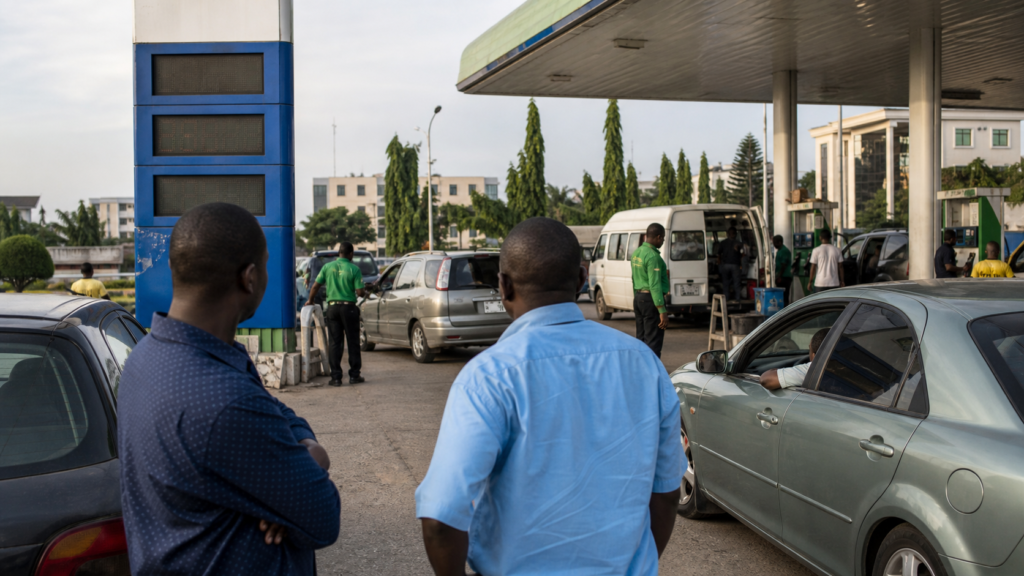
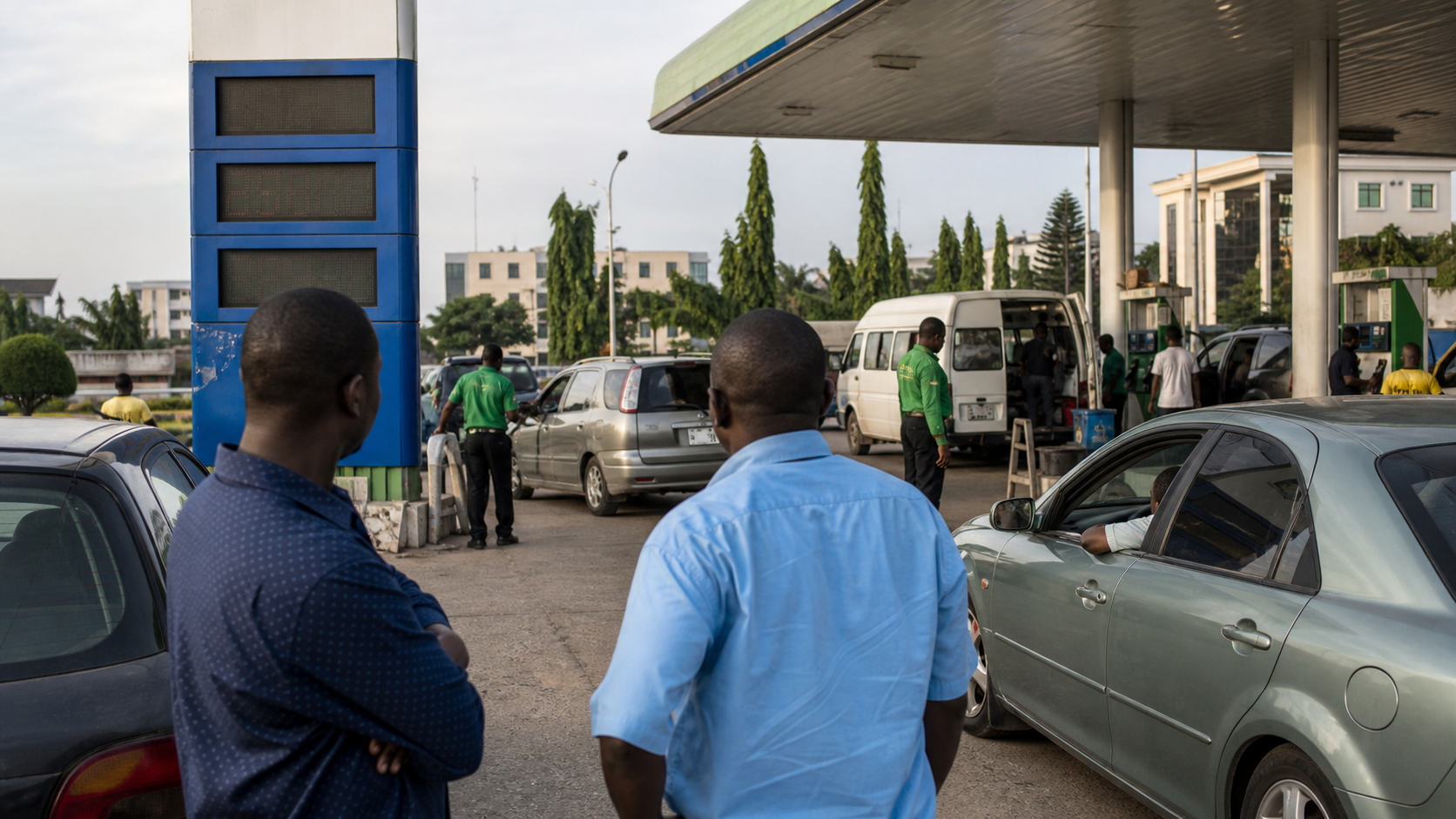
NNPCL retail stations in Abuja and nearby areas have raised petrol prices from N1,250 to N1,270 per litre, according to Nigerian newspaper reporting on August 26. Other retailers were quoted at prices both below and above the state-owned company’s level, showing that motorists now face a fragmented market rather than one uniform national number.
The increase arrives while international crude prices have been moving lower, which can make the pump adjustment feel contradictory. Crude is only one part of the final price. Exchange rates, refining, shipping, storage, distribution, financing and retail margins all affect what a driver pays.
Why crude prices do not move directly to pumps
Imported fuel may have been purchased weeks earlier at a different oil price and exchange rate. Suppliers must also finance cargoes and recover transport costs. A decline in global prices therefore reaches consumers with a delay, if other expenses do not rise at the same time.
Nigeria’s currency is crucial because oil products and many logistics costs are linked to dollars. A lower crude price can be offset by a weaker naira. That is why public discussion needs a transparent pricing breakdown rather than comparisons with one global benchmark.
Competition is visible but uneven
Reports that some private outlets sell below NNPCL while others charge more suggest local supply conditions matter. A station with dependable deliveries and lower costs can price more aggressively. Another facing scarcity or expensive transport may charge a premium.
Competition helps only when motorists have genuine alternatives. In areas with few stations or unreliable supply, consumers cannot easily search for a lower price. Publishing current verified prices could reduce information gaps and discourage unexplained differences.
The household impact
Petrol prices affect far more than private cars. Minibuses, delivery vehicles, small generators and agricultural transport all transmit fuel costs through the economy. A N20 increase per litre can look small in isolation but becomes significant across repeated purchases.
Low- and middle-income households feel the pressure because transport and food already consume a large share of income. Businesses may raise prices or reduce service areas, while workers spend more reaching jobs. The result can be an inflationary chain that extends beyond the filling station.
What transparency should include
Authorities and NNPCL can explain the reference crude price, exchange rate, logistics allowance, taxes and margins behind an adjustment. Regular publication would allow analysts to distinguish genuine cost changes from market power or supply disruption.
Transparency also improves policy debate. Citizens can evaluate whether domestic refining, pipeline repairs or distribution reforms are lowering costs as promised. Without comparable data, every price move becomes a contest of claims.
Longer-term solutions
More reliable domestic refining can reduce some shipping exposure, but it does not make fuel independent of global markets. Producers will still compare local sales with export opportunities, and crude retains an international value. Efficiency, competition and stable currency conditions remain essential.
Public transport investment offers another response. When commuters have safe rail and bus alternatives, household exposure to petrol prices falls. Better electricity also reduces the use of small generators, separating daily power needs from fuel costs.
The latest increase is a reminder that price reform cannot be judged only by whether a subsidy appears in the budget. The real test is whether markets become transparent, supply becomes reliable and families gain practical alternatives. Until then, even modest pump changes will continue to travel quickly through household budgets.
The small-business calculation
Transport operators and delivery businesses must decide whether to absorb the increase or change fares. Frequent price adjustments make planning difficult because customers resist constant revisions while margins disappear quickly.
Targeted support is more useful when it helps people adapt rather than permanently hiding costs. Reliable buses, credit for efficient vehicles and better power supply can reduce exposure. Policies should be measured by whether they lower the amount of fuel required for ordinary work and movement.
Workers also need wage growth that reflects transport reality. Efficiency measures take time, so employers and governments should track how commuting costs affect attendance, productivity and access to opportunity. A fuel policy is incomplete when it ignores the people who must purchase mobility before earning a day’s income.