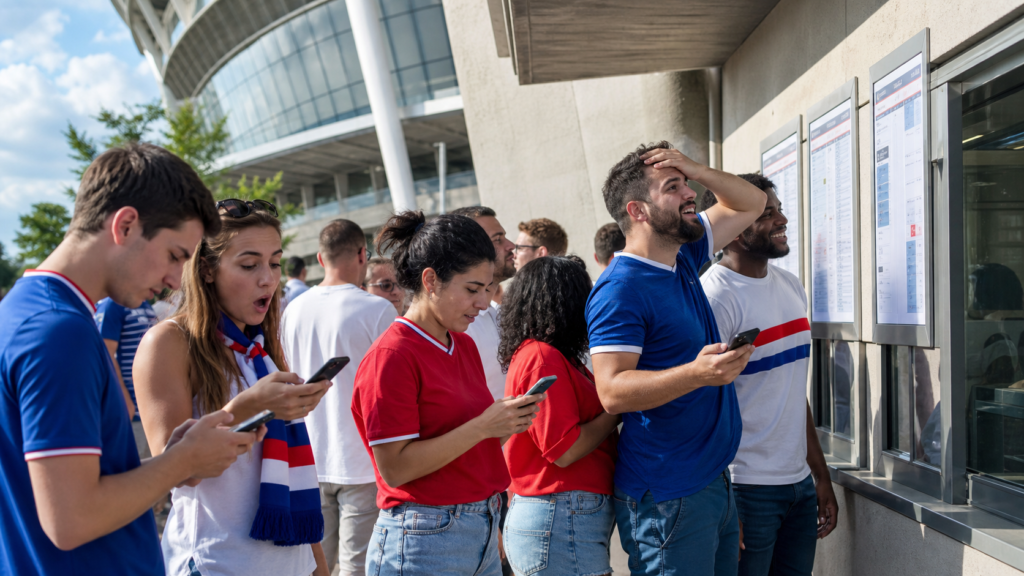
Fastgist take: The World Cup is still one of the biggest shows in sports, but the ticket market is starting to look more flexible than many fans expected.
For weeks, the story around the tournament was simple: demand was huge, travel was expensive, and getting into the biggest matches looked difficult for ordinary fans. That picture has changed in pockets. The Associated Press reported that resale prices for several matches fell after the United States and Mexico were eliminated, creating late openings for supporters who had been priced out earlier in the summer.
That kind of movement matters because the World Cup is not just a series of games. It is a travel event, a city event, and a consumer spending test all at once. When a host nation is still alive, fans tend to make emotional decisions. They buy travel, arrange time off work, and pay a premium to be part of the moment. Once a home team exits, some of that urgency cools, and prices can soften quickly.
The shift also shows how modern sports economics can move faster than the tournament itself. A match can still be attractive on paper, but the mix of teams, travel distance, kickoff time, and local fan energy can change what people are willing to pay. Fans who watch closely can sometimes find better value late, especially when sellers who planned around a particular matchup need to adjust.
For host cities, lower prices are not automatically bad news. More accessible tickets can bring more people into stadium districts, restaurants, fan festivals, and transit corridors. A family that skips an expensive ticket may still spend around the event, but a family that finds a cheaper late ticket may turn the day into a full outing. That is where the tournament can still support local business even when the national-team story changes.
There is also a media angle. Stadium atmosphere affects how a tournament feels on television and social platforms. Packed sections, visible fan color, and loud crowds help turn neutral matches into watchable events. If late price movement helps fill more seats, it can help the tournament preserve its energy even after some of the biggest local storylines fade.
For fans, the lesson is practical: do not treat the first price you see as the final word. Big events often have a premium at launch, another rush around marquee matchups, and then late corrections when the real schedule becomes clear. The smartest buyers compare official listings, travel costs, and timing instead of chasing hype.
The bigger sports-business lesson is that the World Cup is becoming more like the concert market. Demand is real, but it is uneven. Some fixtures behave like once-in-a-generation events. Others depend heavily on location, national-team momentum, and the travel habits of supporters. That makes pricing more dynamic, and sometimes more forgiving, than the headline numbers suggest.
Fastgist will keep watching this because it sits right at the intersection of sport, money, and everyday fans. The tournament is not only about who wins. It is also about who can afford to attend, which cities benefit most, and whether major events can keep growing without pushing regular supporters too far away from the experience.
Sources: Associated Press, Business Insider.