
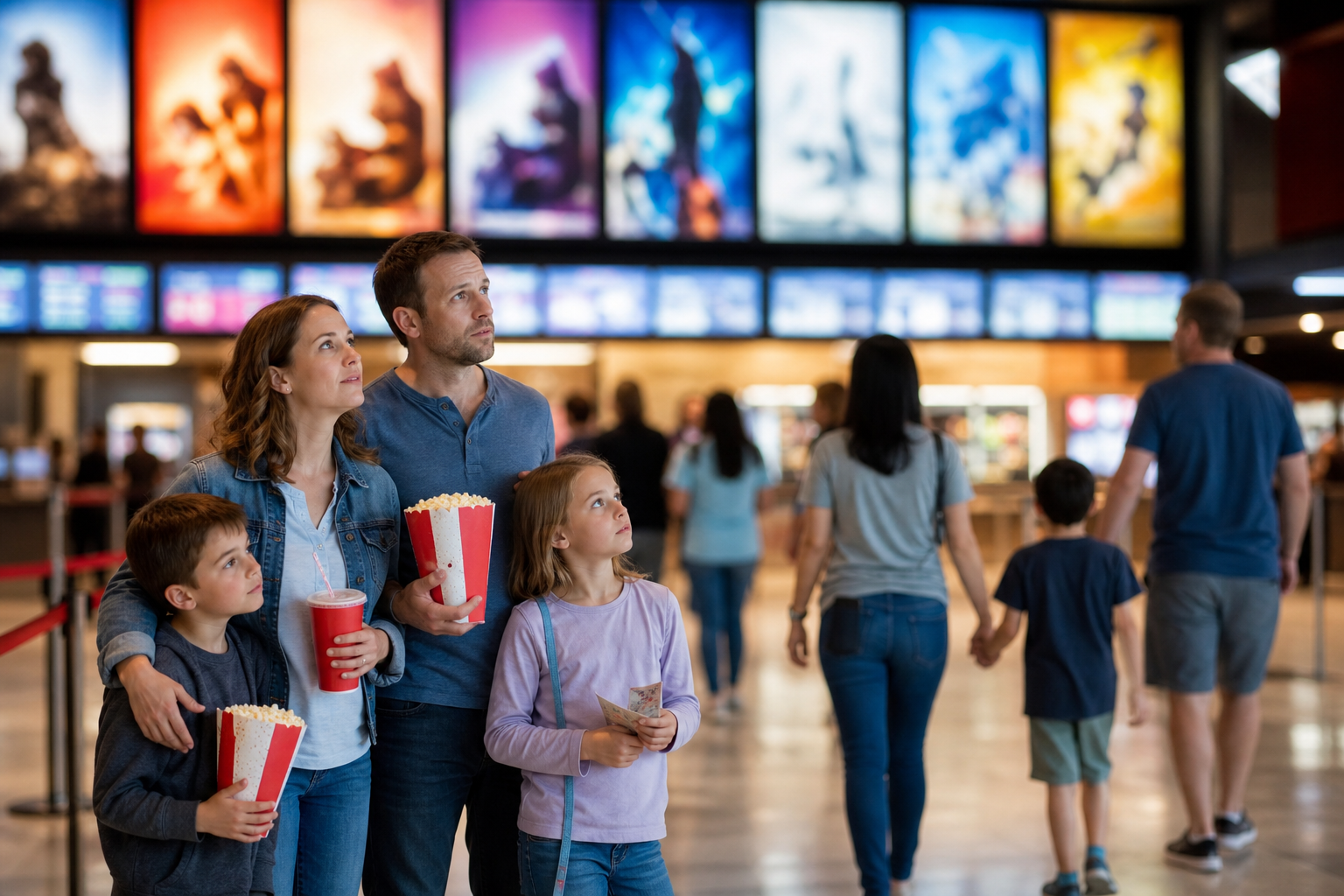
Fastgist take: A family film can have a recognizable name, a built-in audience, and a summer release date, yet still face a harder box-office environment than studios expected. That is the lesson entertainment watchers are taking from recent coverage of a softer opening for a major family title. The story is not only about one film. It is about what audiences now require before they commit to a theater trip.
Variety and People coverage around the latest family-movie opening points to a wider reality: familiarity helps, but it does not guarantee urgency. Families have more entertainment options than ever. Streaming libraries, games, short-form video, live sport, and lower-cost home viewing all compete with the cinema. A movie has to feel like an event, not just another option.
The economics are important. Taking a family to the theater can be expensive once tickets, snacks, transport, and time are included. Parents may be willing to spend, but they want confidence. A film has to promise broad enjoyment, strong word of mouth, or a level of spectacle that feels different from waiting for streaming.
That creates a marketing challenge for studios. A recognizable brand can open the door, but the campaign still needs to answer a simple question: why now? If audiences believe the movie will arrive at home soon, or if reviews and social conversation feel lukewarm, the opening weekend can lose momentum.
At the same time, family films remain valuable. They can play for weeks if parents trust them, children talk about them, and schools or summer routines create repeat viewing. A softer start does not always mean failure. The key is whether the movie can hold after opening weekend. Strong audience scores and international interest can change the narrative quickly.
The broader box office is becoming more uneven. Some films break out because they become cultural moments. Others struggle even with big budgets. Mid-level releases can get squeezed because audiences save cinema trips for titles that feel unmissable. That puts pressure on studios to be sharper about release timing, pricing, trailers, and audience targeting.
Streaming has also changed expectations. Viewers are used to convenience, pause buttons, and endless choice. The theater still offers scale, sound, and shared reaction, but it has to compete with comfort. Family titles that succeed often do so because they turn a movie into a day out, a social moment, or a reward children actively request.
For Fastgist readers, the entertainment-business takeaway is clear: the family audience is powerful, but not automatic. Studios need to earn the trip. That means better storytelling, smarter marketing, and clearer reasons for audiences to buy tickets early.
If the summer box office feels unpredictable, it is because audience behavior has become more selective. The next family-film winner will probably be the one that feels safe for parents, exciting for children, and big enough to beat the couch.
Source links: Variety; People Movies; The Hollywood Reporter Movies.