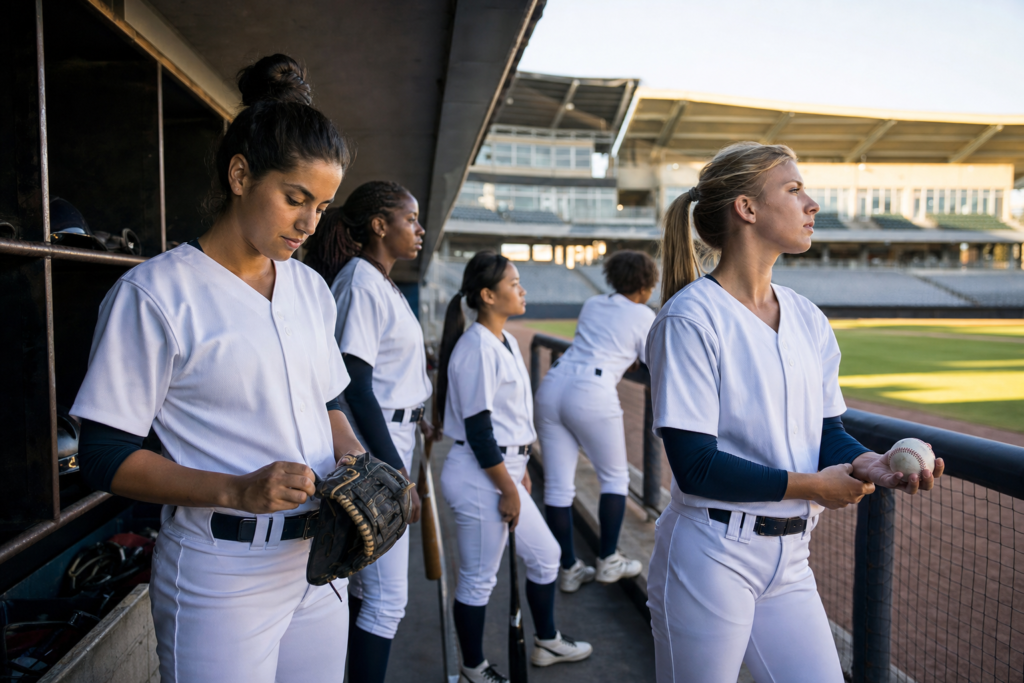
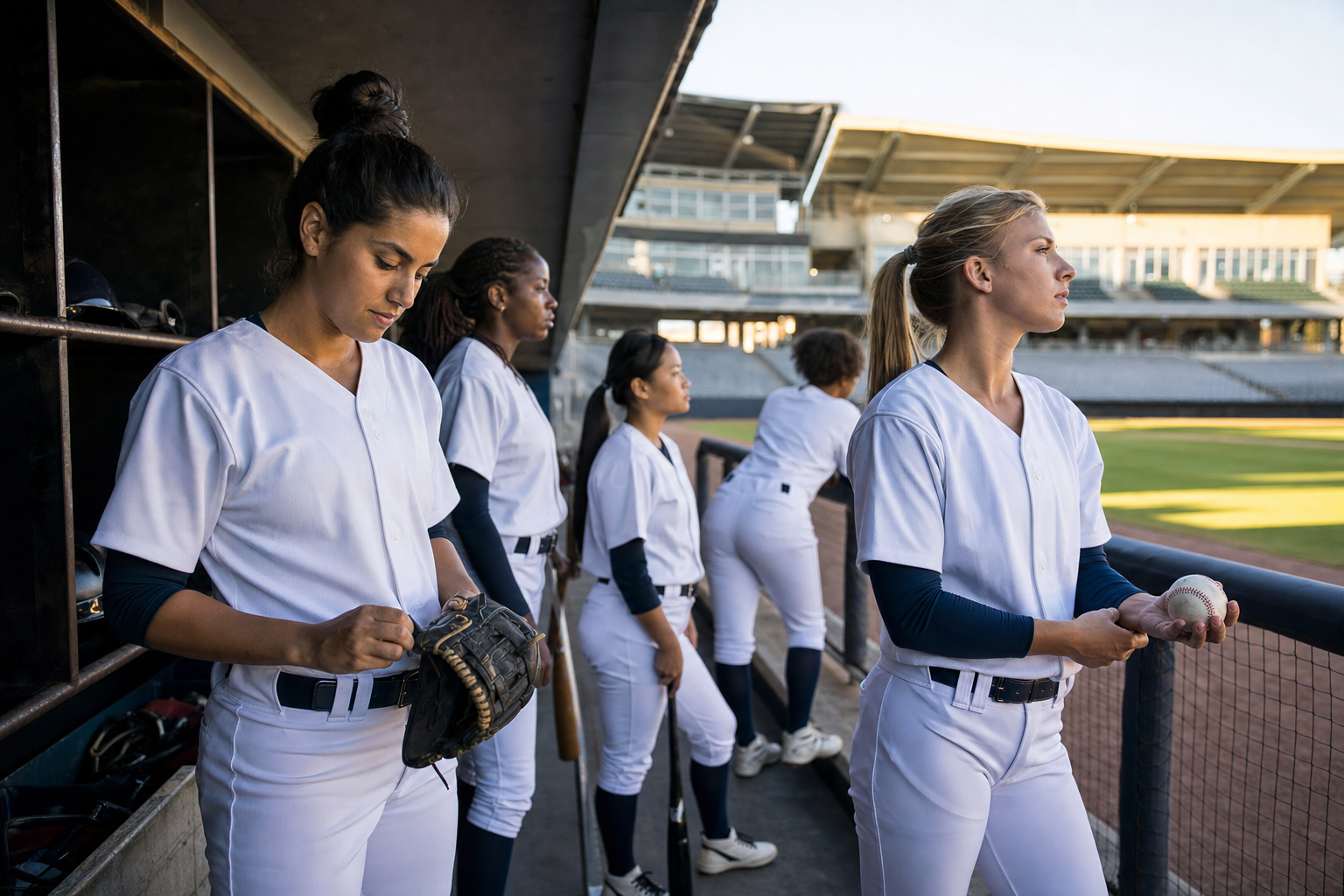
The first pitch of a new professional sports league is always about more than the ball leaving a pitcher’s hand. It is a test of whether history, talent, investment and audience interest can finally meet at the same moment. That is the opportunity facing the Women’s Pro Baseball League as it prepares to begin its inaugural season in the United States.
According to The Associated Press, the competition is the country’s first women’s professional baseball league in nearly three decades. Four clubs representing New York, Boston, Los Angeles and San Francisco will play a compact opening season, with games staged at Robin Roberts Stadium in Springfield, Illinois. Each team is scheduled for 15 regular-season games before the playoffs.
A return that has been generations in the making
The league is new, but women’s participation in baseball is not. Women have played, coached, umpired and organized around the game throughout its history, even when professional structures and mainstream coverage failed to reflect that involvement. The familiar story that baseball was exclusively a men’s space has often obscured the athletes who continued playing through informal clubs, international competitions, college programs and national teams.
That history matters because the WPBL is not simply introducing women to baseball. It is building a commercial stage for players who already possess the skill and ambition to compete. The difference is visibility: uniforms, schedules, broadcasts, statistics and recognizable teams give supporters something consistent to follow. A functioning league can turn isolated moments of attention into a season-long relationship.
The business case is changing
Women’s sports have entered a period of rapid commercial growth. Basketball, football and hockey have shown that audiences respond when competitions receive serious distribution, production and promotion. The lesson is not that every new league will automatically succeed. It is that limited historical revenue often reflected limited access and investment, rather than a lack of interest.
Baseball presents its own challenge. The sport asks fans to follow a long rhythm of games and player development, while a new league must establish identities without decades of inherited rivalries. The WPBL’s centralized first season lowers travel and operating costs, but it also means the city names will initially represent brands more than true home markets. Converting those brands into local communities will require outreach, accessible streaming and a clear plan for eventually bringing games closer to supporters.
The opportunity extends beyond ticket sales. Youth participation, equipment partnerships, camps, documentaries, collectibles and international collaborations could become important parts of the business. Girls who already play softball may also see another professional route, while baseball organizations gain a chance to reach families that have not always felt represented by the traditional game.
What success should look like
Attendance will attract attention, but the most useful early measures will be broader: repeat viewers, social engagement that continues after opening weekend, sponsor retention and the quality of the game-day product. The league also needs to make its players knowable. Fans follow sports through personalities, journeys and competitive stakes, not through institutional announcements alone.
There will inevitably be comparisons with the All-American Girls Professional Baseball League, whose story reached a wider audience through A League of Their Own. The new competition should respect that legacy without being trapped by nostalgia. Today’s players are not reenacting the past. They are trying to establish a durable professional future under modern conditions.
The first season will not answer every question. It can, however, establish that women’s baseball belongs in the present tense. If the games are competitive, the storytelling is strong and the league listens carefully to its first supporters, this opening year could become the foundation rather than a brief revival.