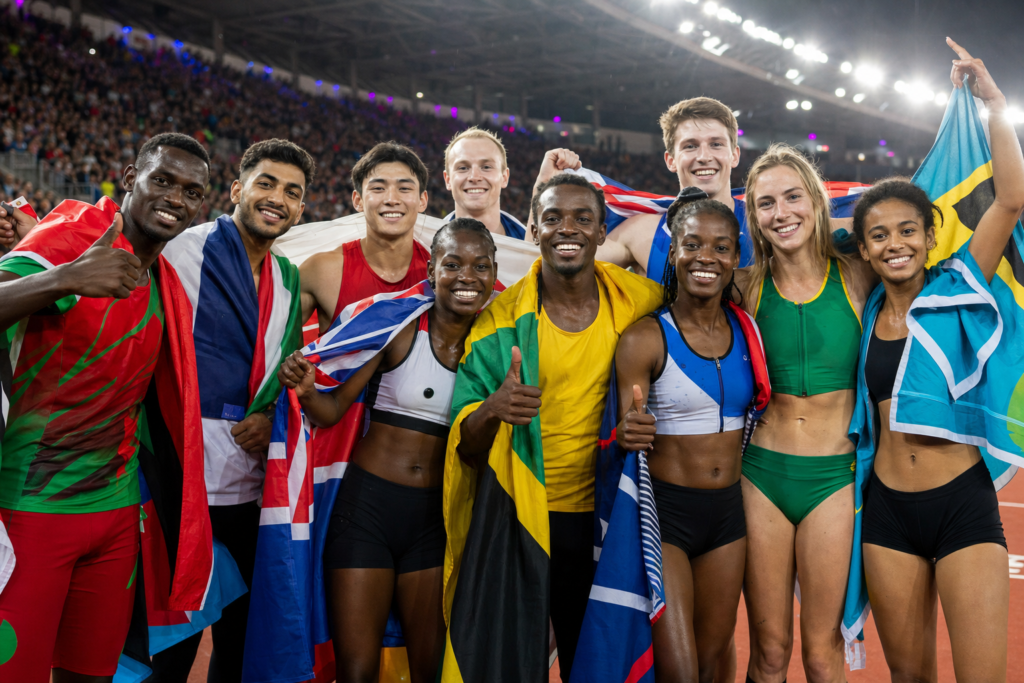
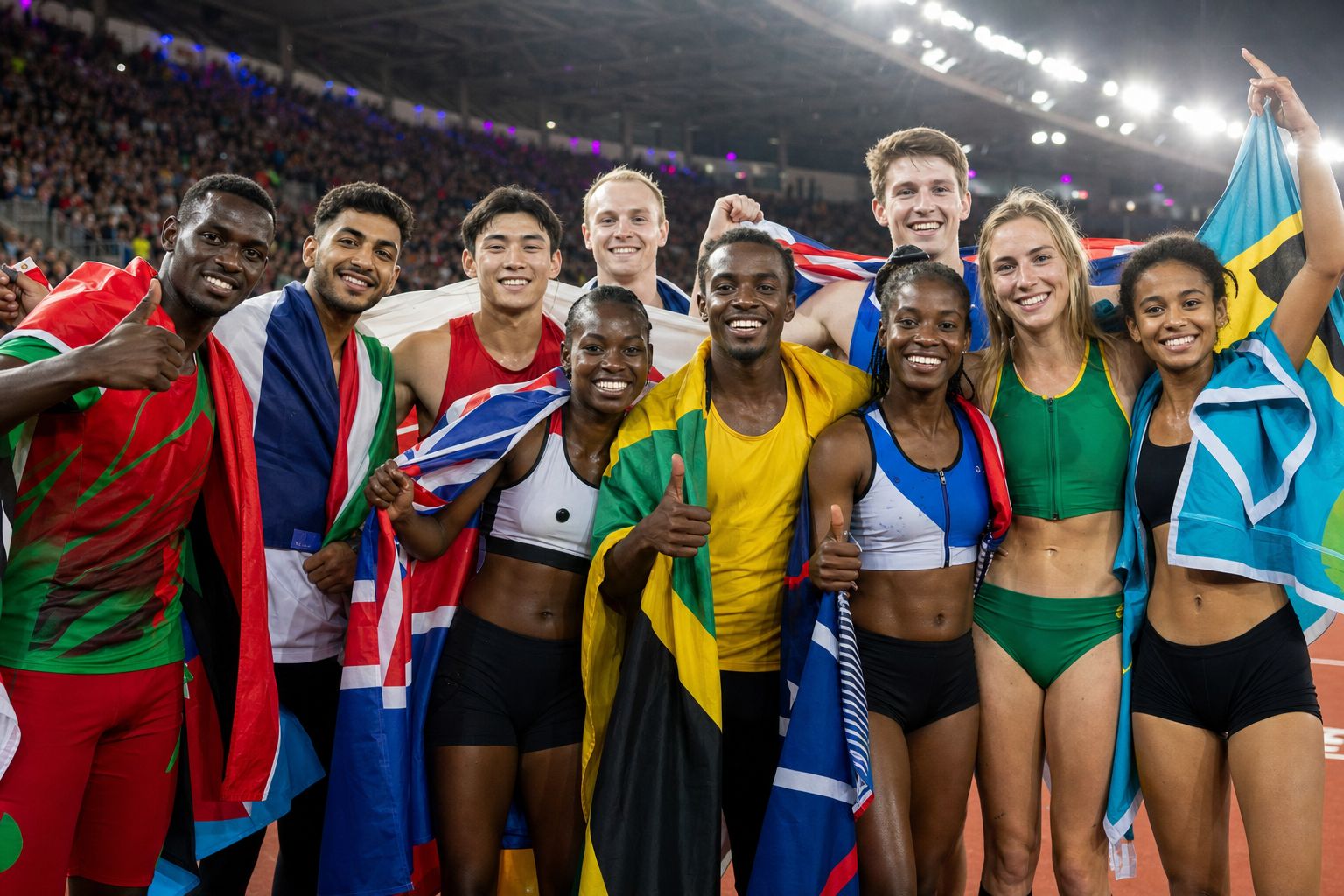
The Commonwealth Games reach their closing day in Glasgow after ten days of competition, ending an edition designed around existing venues, a reduced program and a more financially cautious approach to hosting a major multi-sport event.
The Commonwealth Sport movement said around 3,000 athletes were due to compete for 215 gold medals across ten sports and six Para sports. The Games ran from July 23 to August 2, with the closing ceremony completing the program before the next cycle moves toward Ahmedabad in 2030.
Glasgow offered a practical rescue model
Major events can leave hosts with debt and underused buildings when organisers promise too much construction. Glasgow’s approach relied heavily on established venues and a concentrated footprint. That reduces capital cost and makes transport and operations easier to coordinate.
A smaller program also means difficult choices. Sports left outside the event lose visibility and athletes lose a major competitive goal. Organisers must balance financial realism with the Commonwealth Games’ role as a broad showcase.
The Para program belongs at the centre
Integrating Para events into the same schedule and venues gives disabled athletes meaningful visibility rather than treating their competition as an addition. It also allows audiences to follow national teams across a wider definition of sporting excellence.
Future hosts should preserve that commitment even when budgets tighten. Accessibility in transport, broadcasting and venues is not an optional cost; it is part of staging a credible modern Games.
Small nations gain unusual visibility
The Commonwealth Games allow athletes from territories and smaller nations to compete on a stage they may rarely access elsewhere. Medal moments can transform funding, participation and national attention at home.
The event also creates matchups across Africa, the Caribbean, Asia, Europe and Oceania. That geographic mixture gives the Games a different character from continental championships, even as organisers continue to debate what a post-colonial sporting institution should represent.
Broadcasting determines reach
A compact event still needs easy viewing. Fragmented rights and limited availability can make international audiences feel excluded. Digital highlights, accessible schedules and affordable streams are essential if the Games want younger viewers to form lasting connections with athletes.
Coverage should continue beyond medal ceremonies. Athlete backgrounds, training systems and the challenges facing smaller federations create stories that can sustain interest between editions.
The handover to 2030
Ahmedabad is expected to host the centenary Games in 2030. The handover creates an opportunity to combine Glasgow’s cost discipline with India’s large audience and commercial market. It also raises questions about climate, travel, venue planning and which sports return to the program.
The best legacy from Glasgow would be proof that a major event can be exciting without demanding endless expansion. Existing facilities, transparent budgets and realistic attendance forecasts can protect taxpayers while preserving competition.
A leaner Games should not become a diminished Games. Savings should come from disciplined infrastructure and administration, not weaker athlete services or reduced safety. The event’s future depends on showing that financial responsibility and sporting ambition can coexist.
Glasgow 2026 will ultimately be judged not only by medals but by whether its model gives future hosts confidence. If it does, the compact edition may be remembered as the point when the Commonwealth Games learned how to survive by becoming more deliberate.