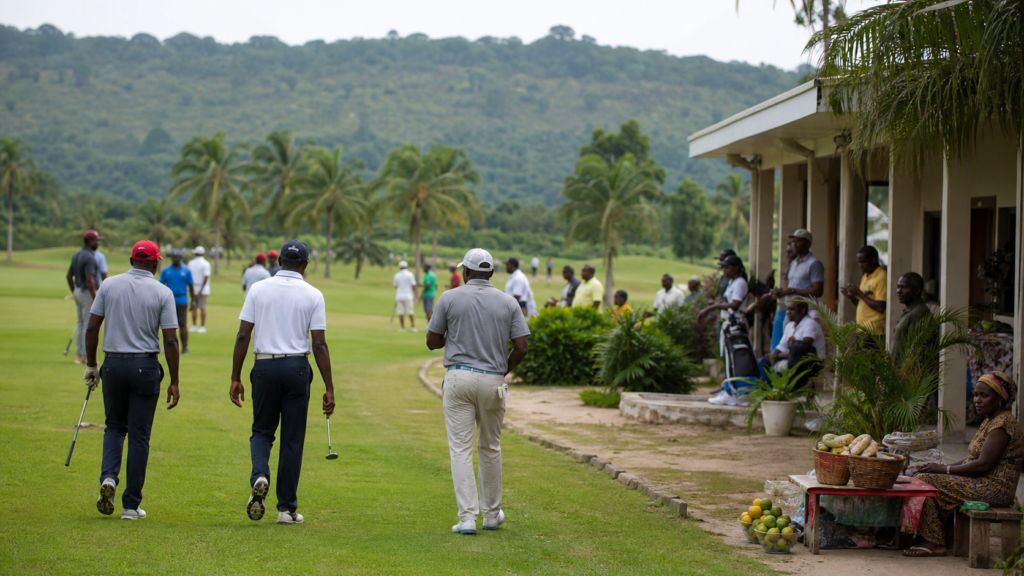
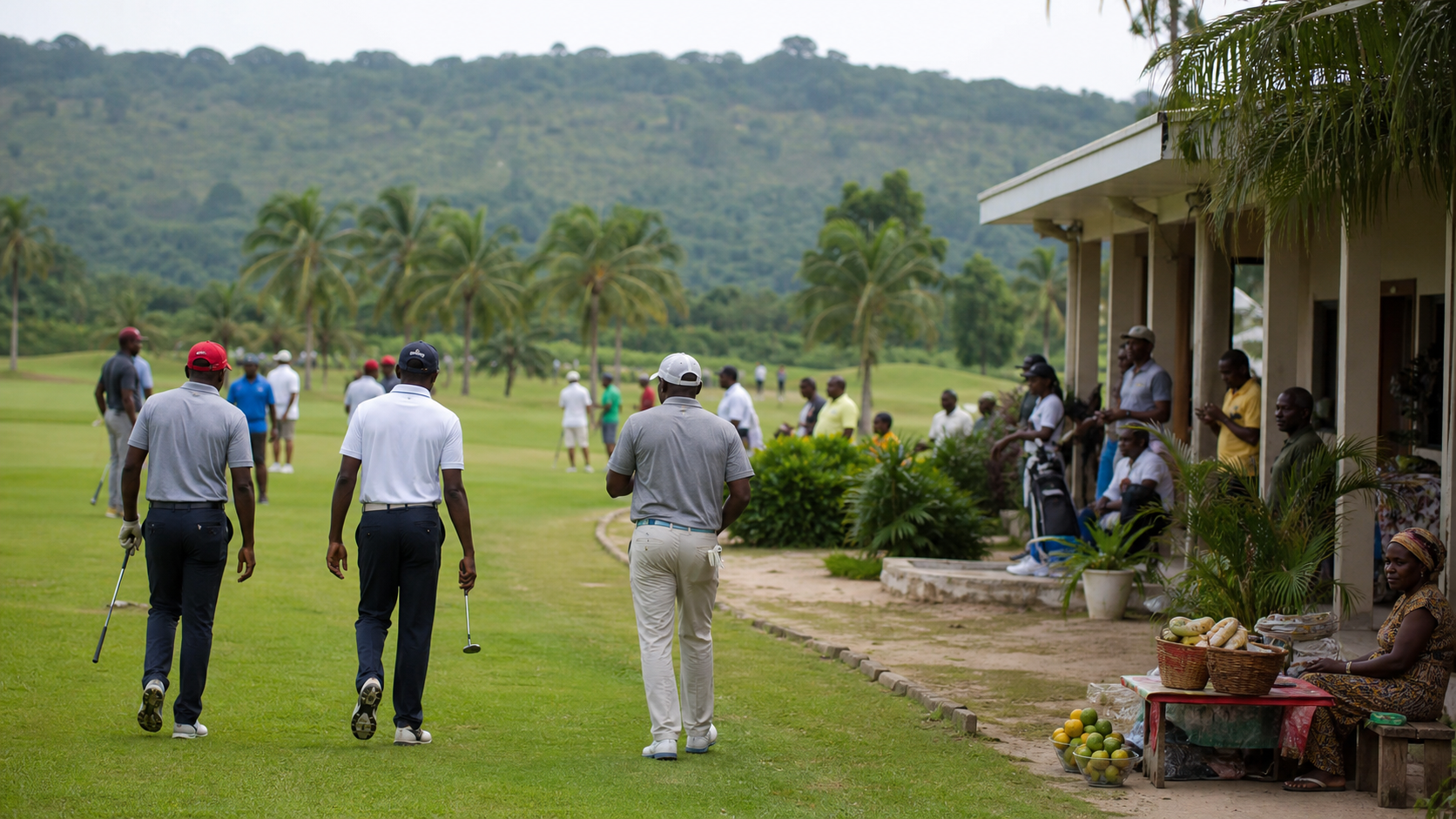
A community golf competition in Calabar has offered a useful reminder that Nigeria’s sports economy is not built only around packed football stadiums and national teams. Society Golf Day Nigeria, scheduled for August 15 at Calabar Golf Club, brought players together for an 18-hole event with several competition categories and a special closest-to-the-pin prize.
Sports247 reported that the tournament was part of a busy August calendar for domestic golf. The individual results matter to participants, but the wider significance lies in the network around the course: organizers, coaches, club workers, transport providers, food sellers, hotels, sponsors and spectators. Their activity turns a sporting day into a small local economic event.
Why smaller events deserve attention
Major competitions dominate sports coverage because they attract elite athletes and large broadcast audiences. Grassroots and club events operate at a different scale, yet they can occur more frequently and involve people directly. A local tournament creates a reason for players to train, renew memberships, purchase equipment and travel to a host city.
That repeated participation is the foundation of a sustainable sports market. Professional success is difficult to maintain when the pipeline below it is weak. Clubs and community competitions provide places where young athletes encounter a sport, adults remain active and volunteers develop organizing experience.
Golf faces a particular challenge in broadening its Nigerian audience. The sport is often associated with private clubs, business executives and expensive equipment. Events that emphasize open participation, social connection and clear competition formats can make it more approachable without pretending that access barriers have disappeared.
The Calabar opportunity
Calabar has long marketed itself through culture, hospitality and tourism. A golf event fits that identity because it can combine competition with a weekend visit. Participants arriving from outside Cross River State may spend on accommodation, restaurants and local transport, while the host course gains visibility.
The economic effect of one tournament should not be exaggerated. A single day will not transform the city’s visitor economy. Its value comes from being part of a calendar. When sports, festivals and conferences are scheduled consistently, businesses can plan for demand and the city can build a reputation for hosting organized events.
That is why continuity matters more than a one-time spectacle. Organizers should document attendance, visitor origin, local spending, sponsor response and participant satisfaction. Those measurements can help improve the next edition and make a stronger case to commercial partners.
What sponsors can gain
Community sport gives sponsors a different proposition from national television exposure. Brands can interact with participants, support prizes, provide equipment and associate themselves with health or local development. The audience may be smaller, but engagement can be deeper because people are physically present for several hours.
The best partnerships contribute something visible to the event. That could include subsidized entry for younger players, training clinics, course maintenance, medical support or transport. Sponsorship that reduces barriers creates more lasting value than logos alone.
Local businesses also need accessible packages. Not every restaurant or transport company can fund a headline partnership. Organizers can create smaller supplier and promotional roles that allow nearby firms to participate and benefit from the crowd.
Growing the player base
If Nigerian golf wants a wider future, development must extend beyond tournament day. Schools and community groups need affordable introductions to the sport, while talented young players require coaching and opportunities to compete. Equipment-sharing programs can reduce one of the most obvious entry costs.
Clubs can also make events easier for spectators to understand. Simple explanations of formats, visible leaderboards and welcoming viewing areas help people who have never followed golf. Digital highlights can carry the event beyond the course without requiring a full broadcast operation.
Women’s and junior categories are another important measure of progress. A sporting calendar that repeatedly serves the same narrow group will struggle to grow. Deliberate inclusion expands both the participant pool and the potential audience for future competitions.
Building a sports economy from the ground up
Nigeria’s sports-business conversation often jumps directly to large infrastructure and international medals. Those ambitions are important, but they depend on functioning local systems. Regular competitions teach event management, create work for service providers and give athletes a reason to stay engaged.
Calabar’s golf day is therefore best understood as one piece of a broader ecosystem. Its success is not only the quality of play or the names on the prize list. It is also whether participants return, sponsors see value, local businesses benefit and new players feel that the sport has room for them.
Small events become economically meaningful when they are credible, repeatable and connected to their communities. If organizers across Nigeria can build that rhythm, domestic sport will have a stronger base from which elite performance and larger commercial opportunities can grow.