Fastgist take: The most valuable World Cup story in America may not be one result. It may be the number of people discovering that soccer is easier to love when the whole country is watching together.
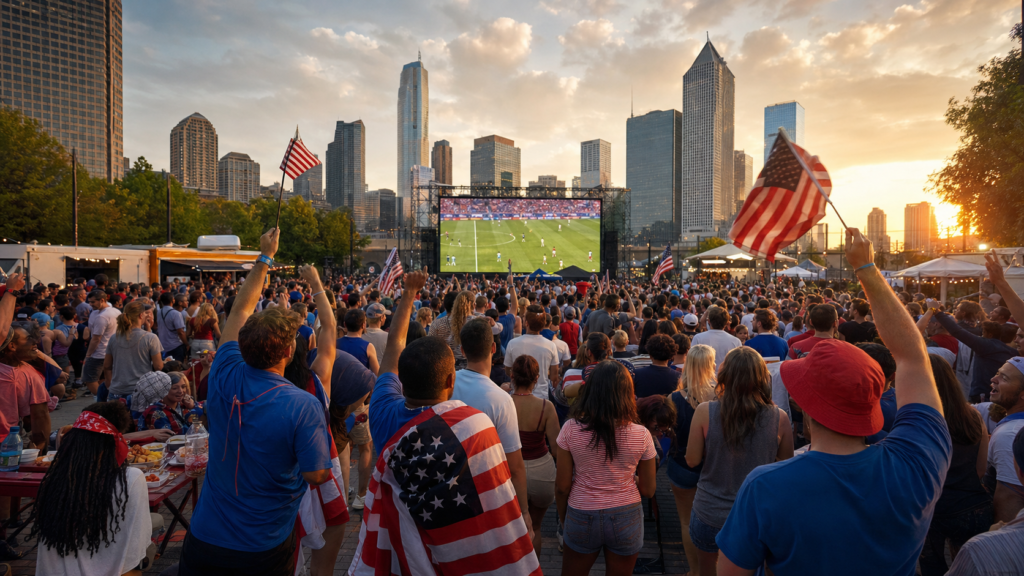
The Guardian reported this weekend on the way the tournament has pulled American crowds into a broader football culture, with packed public spaces, loud viewing parties, and a summer rhythm that feels different from the usual sports calendar. That matters because the United States has often treated soccer as a periodic obsession: intense during major tournaments, quieter in between.
This summer has a chance to change that pattern. A World Cup hosted across North America gives casual fans something local to attach to. It is not just a distant spectacle happening in another time zone. It is in cities people know, on streets they can visit, and in stadiums tied to American sports habits. That makes the event feel less foreign and more like a shared national summer.
For younger viewers, the tournament also arrives in the right media environment. Highlights move quickly across social platforms. Player personalities travel beyond club loyalties. A brilliant goal, a tense penalty shootout, or a fan celebration can reach people who never planned to watch a full match. That is how casual attention becomes habit.
The business side is just as important. Sponsors, broadcasters, teams, restaurants, and local organizers all want the tournament to leave something behind after the trophy is lifted. The real win would be a larger regular audience for domestic leagues, more interest in international club football, and a deeper market for soccer-related content in the United States.
There is evidence that the public-event model can help. Business Insider highlighted Atlanta’s Fan Festival scene, where people gathered for a full-day experience rather than simply watching from home. Those fan zones create an entry point for people who may not know team histories or tactical debates but understand music, food, community, and a big screen.
That is where soccer can meet American sports culture on friendly terms. The NFL has tailgates. The NBA has city identity and star culture. College sports have traditions. Soccer’s World Cup summer offers something similar: national pride, neighborhood gatherings, and the feeling that the match is only part of the day.
There are still challenges. Soccer has to compete with established leagues, busy calendars, and fragmented viewing habits. Some fans will disappear when the tournament ends. Others will stay only if there are easy next steps: local clubs to follow, affordable events to attend, and coverage that explains the sport without talking down to new viewers.
For Fastgist readers, the takeaway is that this summer is bigger than a sports story. It is an entertainment story, a money story, and a culture story. If America keeps even a fraction of this attention after the final, the World Cup could become a turning point for how soccer is sold, watched, and talked about in the country.
Sources: The Guardian, Business Insider.