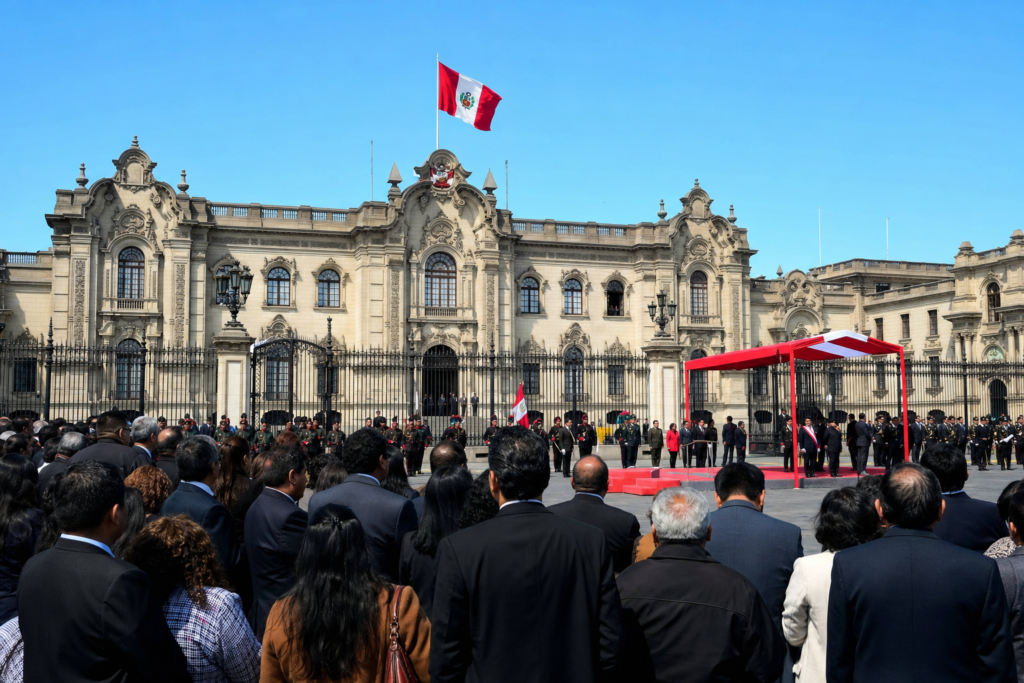
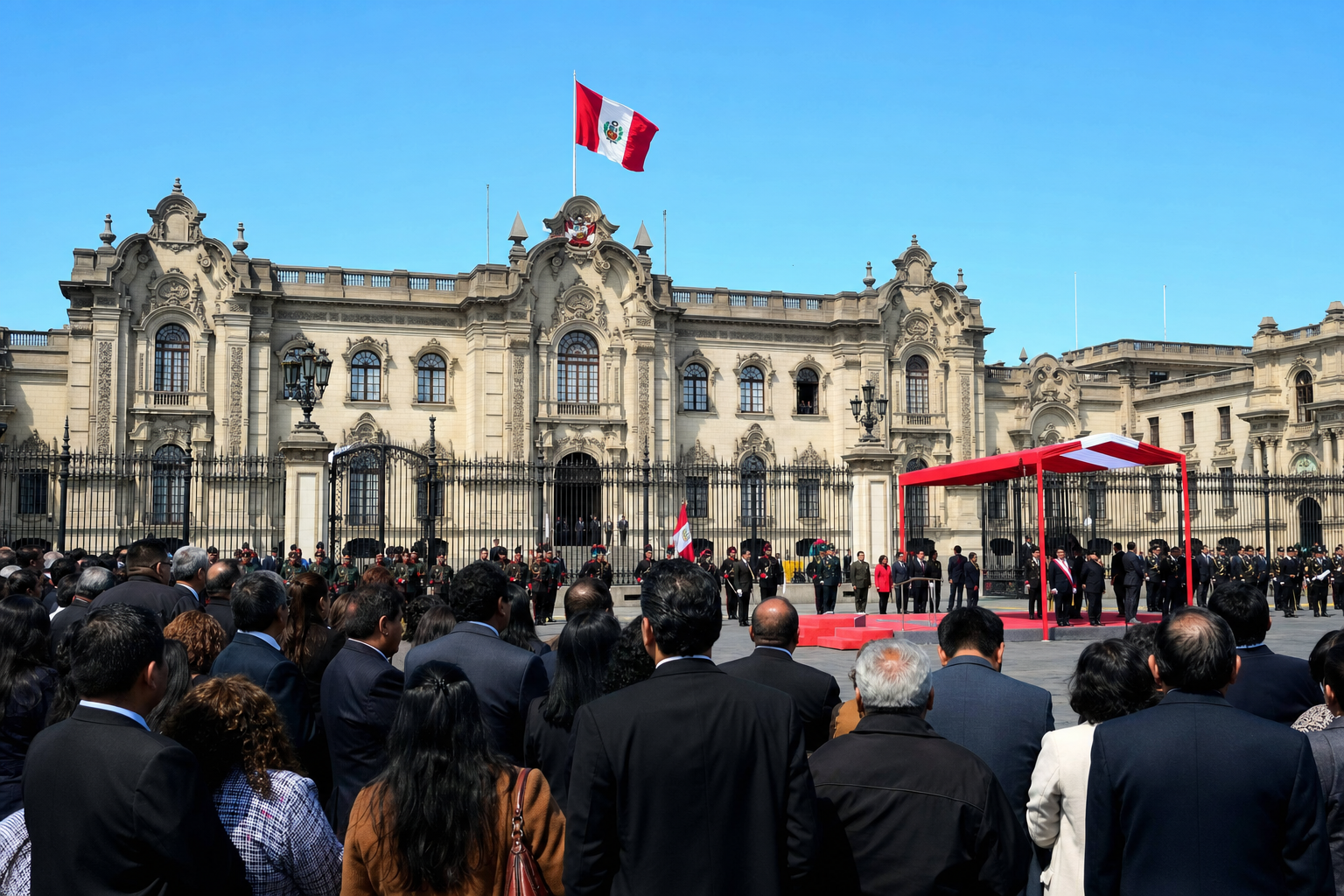
Keiko Fujimori has been sworn in as Peru’s president after one of the closest elections in the country’s history, beginning a five-year term under intense pressure to restore stability, reduce crime and rebuild faith in public institutions.
The Associated Press reported that Fujimori, a four-time presidential candidate, won the June runoff by fewer than 50,000 votes. She becomes Peru’s ninth president in a decade, a statistic that captures the political turmoil awaiting her.
A narrow victory requires broad government
Close elections create a legal winner but not an automatic social consensus. Fujimori’s supporters see a mandate for tougher security and conservative leadership. Her opponents remain concerned about the legacy of her father, former president Alberto Fujimori, and the power of the political movement carrying the family name.
The new administration can lower the temperature by governing beyond its electoral base. That means appointing competent officials, respecting independent institutions and explaining major decisions before they become crises. A president elected by a narrow margin gains legitimacy through performance and restraint.
Congress may offer strength and risk
Popular Force and its main ally are expected to hold half the seats in the restored Senate. That position could make it harder for opponents to remove the president, giving the executive more room than several recent leaders enjoyed.
Stability, however, is not the same as unchecked power. Peru’s recent history shows how conflict between Congress and the presidency can consume government. A strong legislative bloc should be used to pass workable reforms, not to weaken oversight or exclude political rivals.
Crime is an urgent public concern
Security dominated much of the election. Extortion, organised crime and fear affect transport workers, small businesses and families. Voters will judge the administration by whether daily life becomes safer, not by the forcefulness of its language.
Effective security combines professional policing, intelligence, courts and prison reform. Military support may offer temporary visibility, but long-term results depend on investigations that dismantle criminal networks and institutions that can prosecute cases lawfully. Heavy-handed tactics without accountability can deepen public mistrust.
The economy needs growth people can feel
Peru has major mining resources and a history of relatively disciplined economic management, yet political uncertainty and illegal activity have held back investment. Growth must reach households through jobs, infrastructure and reliable public services.
Mining policy will be especially important. Formal investment can generate taxes and exports, while illegal mining damages communities and the environment. The government needs enforcement alongside realistic economic alternatives for regions where informal extraction has become a livelihood.
The Fujimori legacy cannot be ignored
Keiko Fujimori enters office with a political identity inseparable from her father’s presidency, which remains associated with both the defeat of insurgent violence and serious human-rights abuses and corruption. She cannot resolve that history through symbolism alone.
Her administration will be watched for its treatment of courts, journalists, civil society and protest. Democratic restraint would help establish an identity independent of the past. Attempts to concentrate power would confirm the fears of critics.
Peru’s recurring presidential turnover has exhausted citizens and weakened long-term planning. Completing a constitutional term would itself be significant, but survival should not become the only measure of success.
The country needs a government capable of delivering security and growth while accepting scrutiny. Fujimori has reached the office she pursued for years. Her harder task is proving that political stability can coexist with democratic accountability and practical results.