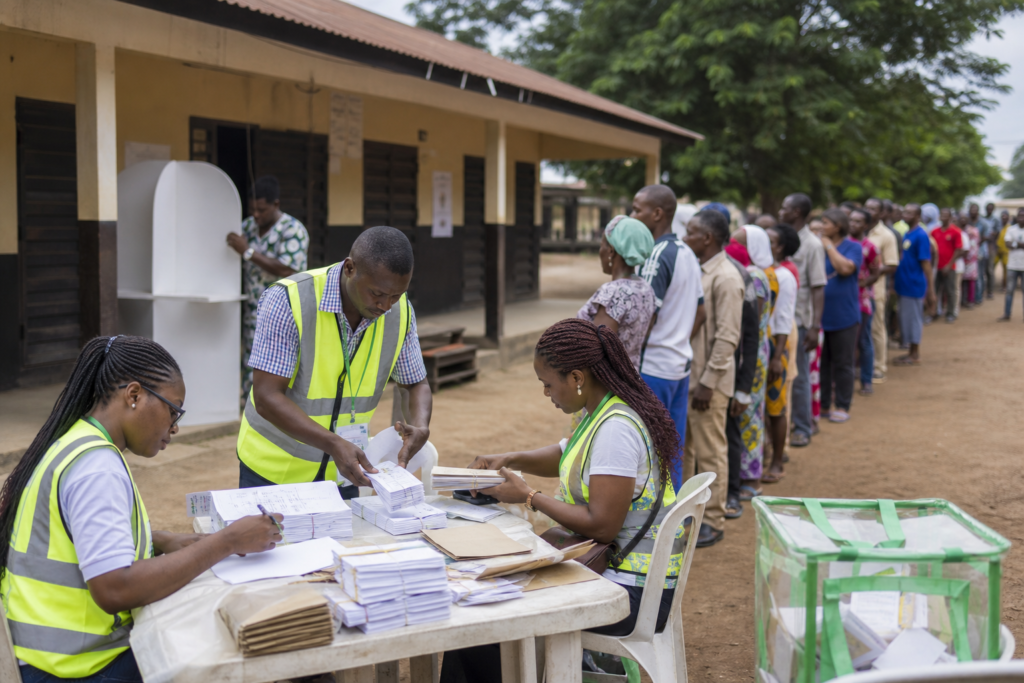
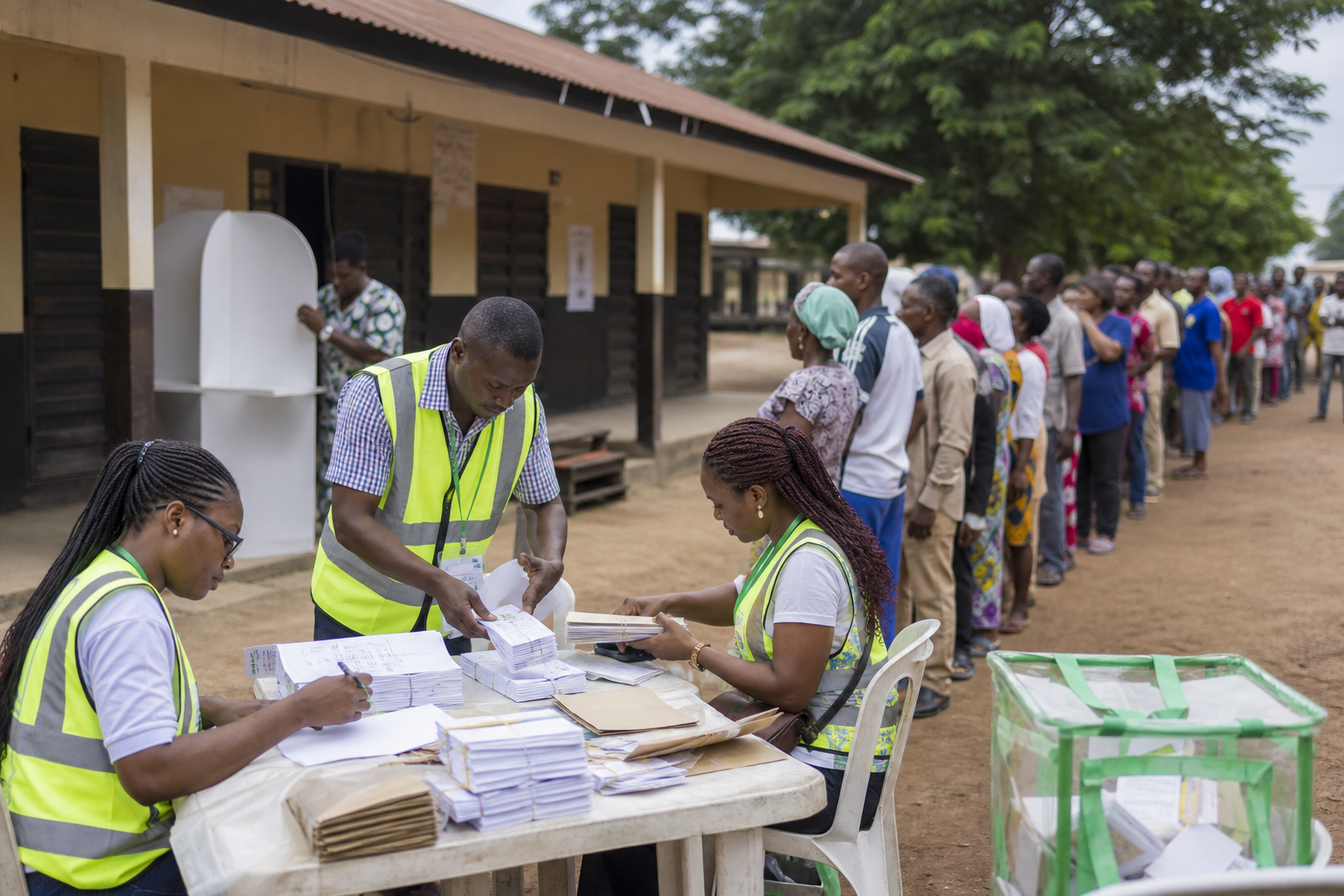
Osun State voters are due to choose a governor on August 15 in an election that will be watched beyond the state’s borders. Off-cycle elections give Nigeria’s electoral institutions a chance to demonstrate improvements without the simultaneous pressure of a nationwide vote.
INEC lists the Osun governorship election for August 15. Radio Nigeria reported that the commission considers itself logistically, technically and operationally ready.
Preparation must be visible on election day
Readiness is judged at polling units. Materials must arrive on time, voter-accreditation equipment must work and officials need clear procedures for failures. Delays create frustration and can depress participation, particularly when people must work or travel.
Results management is equally important. Polling-unit totals should be recorded, displayed and transmitted consistently. Transparency does not mean every rumour deserves credibility; it means official information arrives quickly enough to prevent a vacuum.
Security should protect participation
Police and other agencies must prevent intimidation without making polling locations feel militarised. Their conduct should be neutral toward parties, candidates and communities. Rapid response is necessary, but so is restraint.
Political leaders carry responsibility for the language used by supporters. Close competition is normal. Threats, misinformation and attempts to disrupt counting are not.
What voters are deciding
Governorship campaigns often become tests of national party strength, yet voters live with state-level choices in schools, health services, roads, jobs and local administration. Coverage should examine those records and proposals rather than treating the contest only as a preview of future national elections.
Civil-society observers and journalists can strengthen confidence by documenting procedures carefully and correcting false claims. They should protect voter privacy and avoid declaring outcomes before authorised collation is complete.
A credible Osun election will not require every participant to like the result. It requires a process in which votes are cast safely, counted transparently and challenged through lawful channels when evidence supports a complaint. That standard is achievable, and meeting it would strengthen confidence well beyond one state.