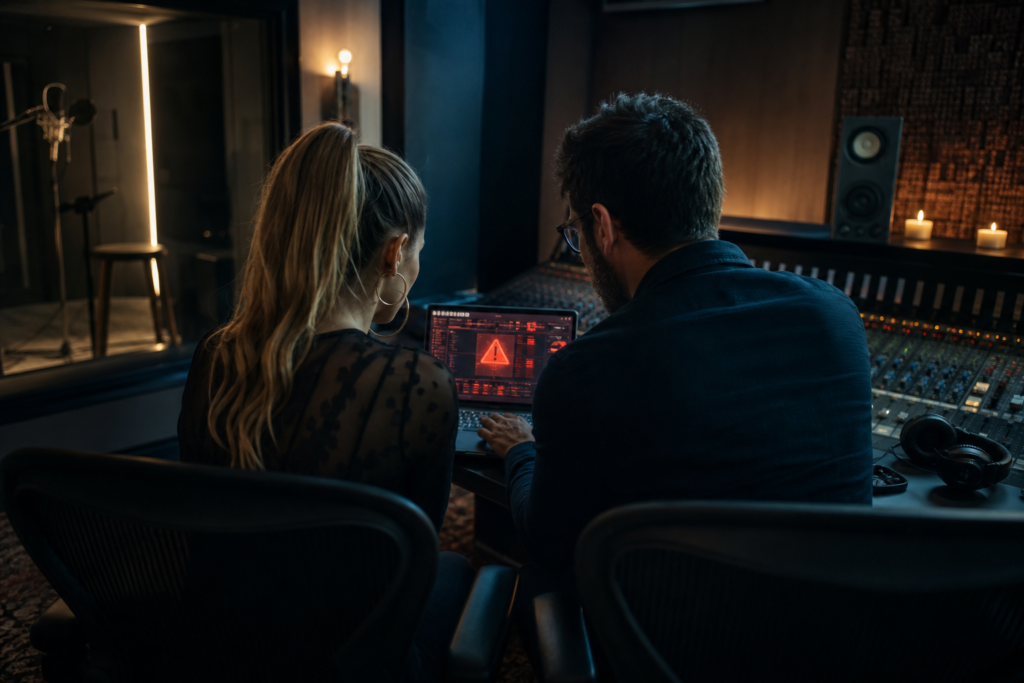
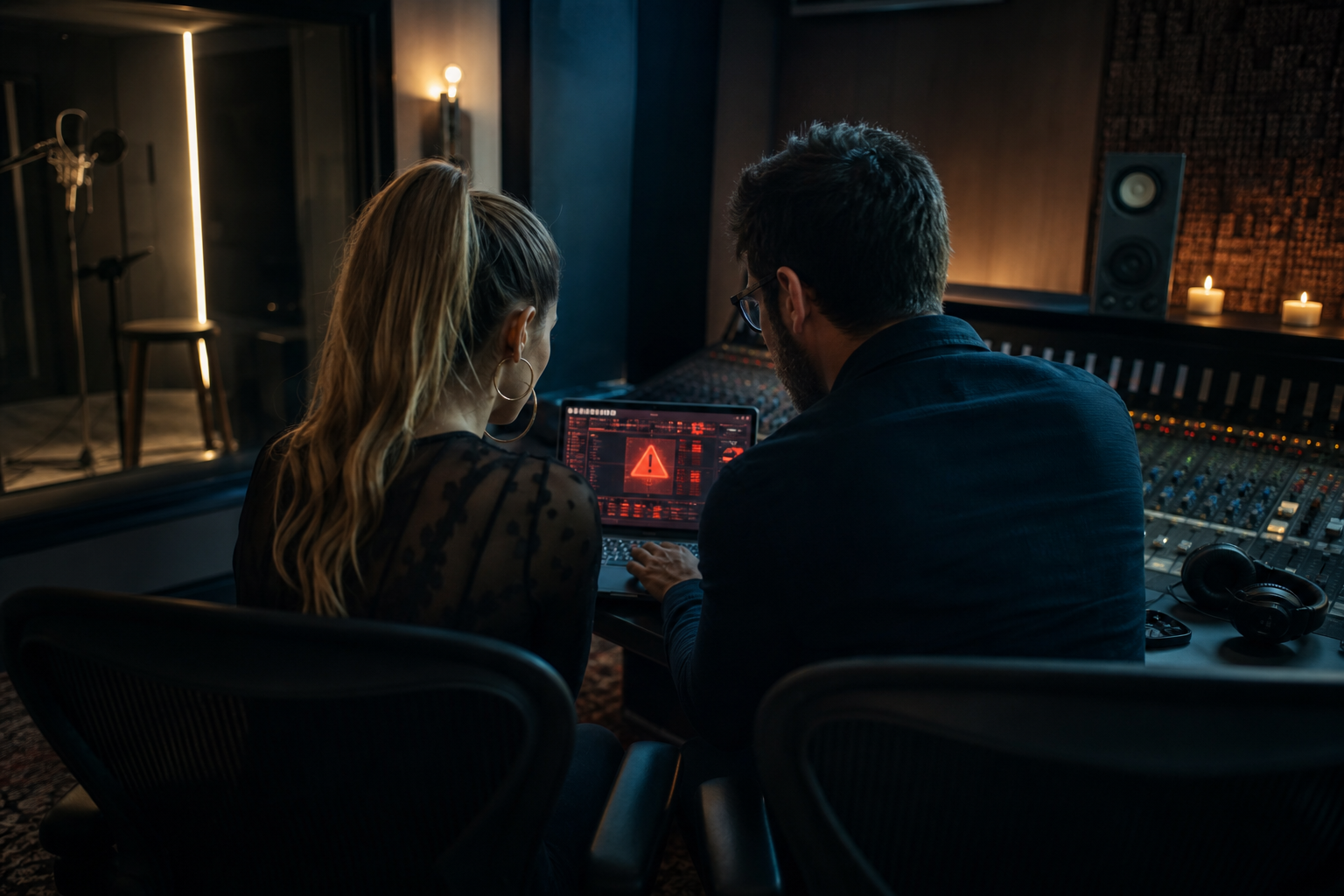
A legal action linked to allegedly stolen Ariana Grande material is putting a familiar entertainment problem under a sharper light: unreleased songs and private files are valuable digital assets, and the market for leaked celebrity content can inflict damage long before a case reaches court.
The Guardian’s culture coverage reported that Grande sued hackers accused of selling unreleased music and photographs online. The allegations have not been tested here, and the defendants are entitled to respond through the legal process. The wider issue, however, reaches across music, film, sport and every industry built around public figures.
A leak is not simply an early release
Fans sometimes describe leaked songs as bonus material that escaped a label’s vault. That framing ignores how creative work is made. An unreleased recording may be unfinished, abandoned, written for another artist or preserved as part of a larger project whose timing and context matter. Publishing it without consent removes the creator’s ability to decide whether the work represents them.
Commercial consequences follow. Marketing campaigns are planned around carefully timed singles, visual releases, tours and partnerships. A leak can disrupt that sequence, reduce the impact of an official launch and force teams to spend money responding to a crisis rather than building the campaign they intended.
Private photographs and personal communications raise an even clearer boundary. Their theft and distribution are not a form of music criticism. They can create safety risks, emotional harm and opportunities for impersonation or extortion.
Why artists are difficult security targets
A global performer does not work from one computer. Songs and visual assets move among producers, engineers, writers, managers, photographers, video editors, lawyers and label teams. Every collaborator, cloud folder and temporary transfer link can become a point of entry.
That does not mean creative work must become impossible under layers of restrictive technology. It means entertainment companies need security practices designed around collaboration: unique accounts, strong multi-factor authentication, carefully limited access, encrypted transfers and rapid removal of former contractors from active systems.
Human behaviour remains central. Attackers may imitate a trusted producer, send a false file-sharing notification or target a less protected member of an artist’s circle. The most expensive studio equipment cannot compensate for a convincing fraudulent login page.
The platforms have a role
Leak communities can spread files across social networks, messaging apps and resale forums within minutes. Platforms often remove material after receiving a valid complaint, but speed matters. Rights holders need clear reporting channels and preservation of evidence that may identify repeat sellers.
Fans also influence the economics. Curiosity is understandable, especially when an artist has a passionate following, but buying or widely redistributing stolen files rewards the intrusion. A healthier fan culture can discuss the incident without circulating the material itself.
The lawsuit may eventually clarify what was taken, how it was obtained and what remedies are appropriate. Its immediate significance is the reminder that celebrity visibility does not eliminate a person’s right to control private information and unfinished work.
For the music business, the practical response should extend beyond one artist. Security needs to be treated as part of production, with the same seriousness applied to studio bookings, contracts and release schedules. The creative process depends on experimentation. Artists should be able to make imperfect drafts and private choices without assuming that every file will become public property.