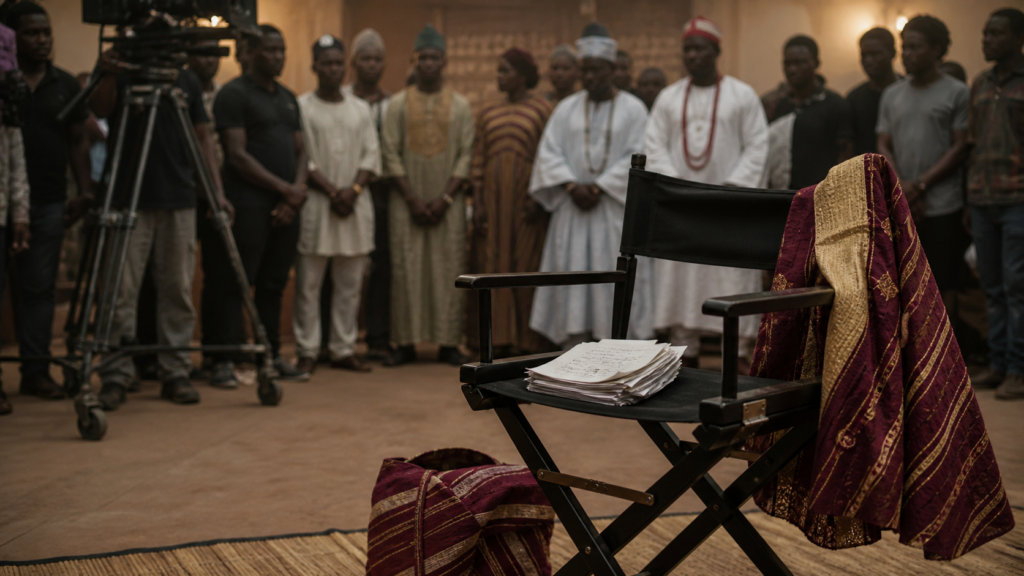
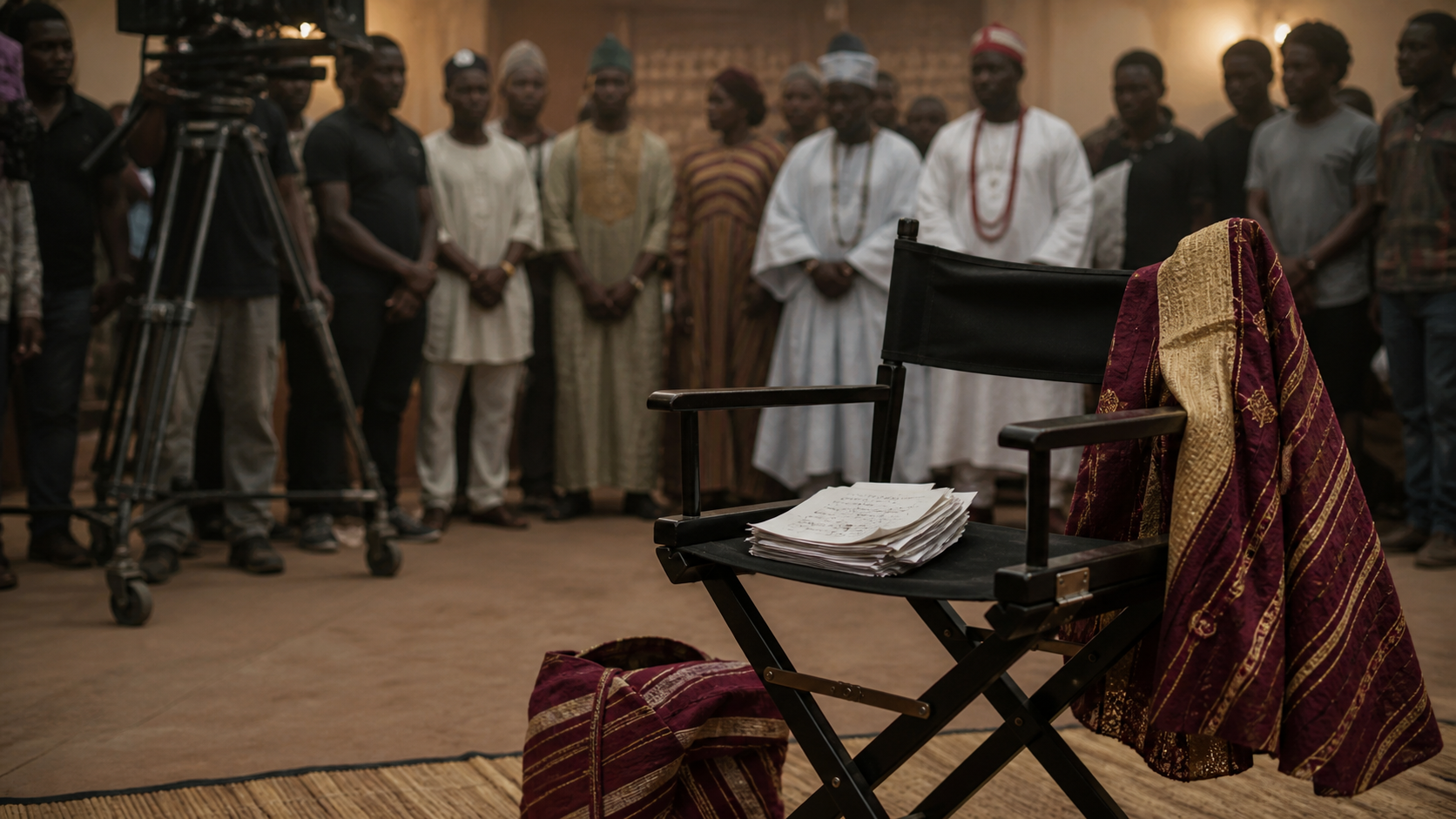
Nollywood is mourning veteran Yoruba actor Taiwo Hassan, widely known as Ogogo, after reports of his death following an illness. The Sun Nigeria and The Guardian Nigeria reported tributes from actors and colleagues on August 24, with one description calling his passing the end of an era. For audiences who watched him across decades, the loss is personal because his performances were woven into the growth of home video and Yoruba-language cinema.
Ogogo built recognition through roles that demanded authority. He could embody a stern father, traditional leader, warrior or morally conflicted elder without making those figures interchangeable. His screen presence came from restraint as much as force: a measured look, deliberate speech and physical stillness could establish a character before the story explained his position.
A career tied to an industry’s growth
Yoruba cinema existed long before the modern Nollywood label, developing through travelling theatre, television drama and film. Ogogo’s career belonged to the generation that carried those traditions into the home-video era and, later, digital distribution. Performers had to work quickly, sustain demanding production schedules and maintain audience trust across many releases.
That continuity helped create an industry with its own stars, storytelling conventions and loyal market. Yoruba-language productions have reached viewers throughout Nigeria and the diaspora while preserving idioms, customs and forms of humor that can lose texture in translation. Veteran actors gave newer filmmakers a visible lineage rather than forcing every production to begin from scratch.
Why character actors matter
Film industries are often marketed through romantic leads and breakout sensations, but durable storytelling depends on performers who make families, institutions and communities believable. Ogogo could supply that foundation. Even when he was not the central protagonist, his character might define the moral pressure surrounding the plot.
Actors with long careers also become informal teachers. Younger performers observe how they prepare, handle dialogue, respond to directors and manage the public attention that follows success. Their professional habits travel from set to set. That influence is difficult to quantify, yet it shapes the quality and culture of an industry.
Tributes and responsible remembrance
Public mourning can quickly become crowded with uncertain claims, recycled clips and accounts seeking attention. The respectful response is to rely on confirmed family and industry statements, avoid speculation about private medical details and focus on the work. A performer’s legacy should not be reduced to the circumstances of death.
Archives matter here. Broadcasters, producers and rights holders can preserve films, interviews and production records so future audiences understand more than a list of titles. Restoration and accurate credits would allow students and researchers to trace how acting styles and production methods changed across Ogogo’s career.
What his legacy asks of Nollywood
The industry honors veterans most meaningfully by improving the conditions in which artists work. That includes clear contracts, health support, residual arrangements where possible and reliable credit for creative contributions. Fame does not automatically provide financial or medical security, particularly in sectors built through informal agreements.
There is also a creative responsibility. Yoruba cinema can continue evolving without losing the language, dramatic traditions and intergenerational storytelling that made it distinctive. Streaming platforms have widened distribution, but discoverability and fair licensing remain essential if older work is to find new viewers.
Ogogo’s screen authority made him memorable, but longevity made him foundational. His performances connected theatre-influenced storytelling with contemporary Nollywood and helped audiences recognize themselves in a rapidly changing medium. As colleagues and viewers say farewell, the most lasting tribute will be to preserve the work, support the people who make it and ensure the tradition he strengthened continues to develop.
A shared cultural memory
For many viewers, remembering Ogogo also means remembering how films circulated through families and neighborhoods. A production could become a shared reference point through repeated home viewing, quoted dialogue and conversation about its moral choices. That relationship gave actors an intimacy with audiences that box-office totals alone cannot capture.
New distribution technology should make that memory easier to preserve, not more fragile. Accurate digital catalogs, subtitles and lawful access can introduce classic performances to younger viewers while creating revenue for rights holders and estates. Preservation is both a cultural duty and a business opportunity.