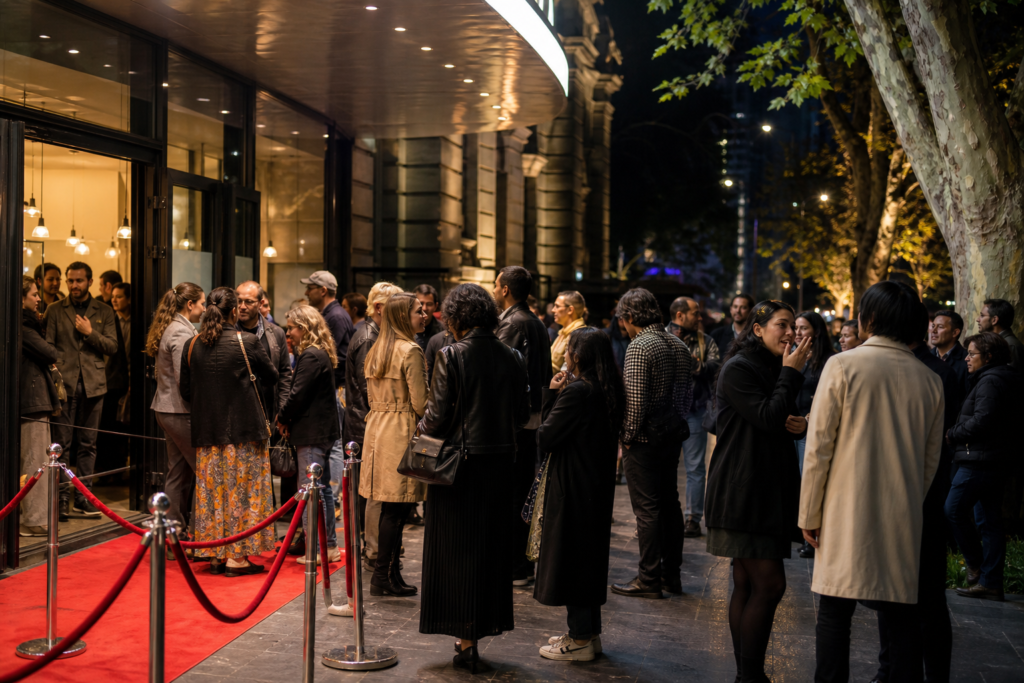
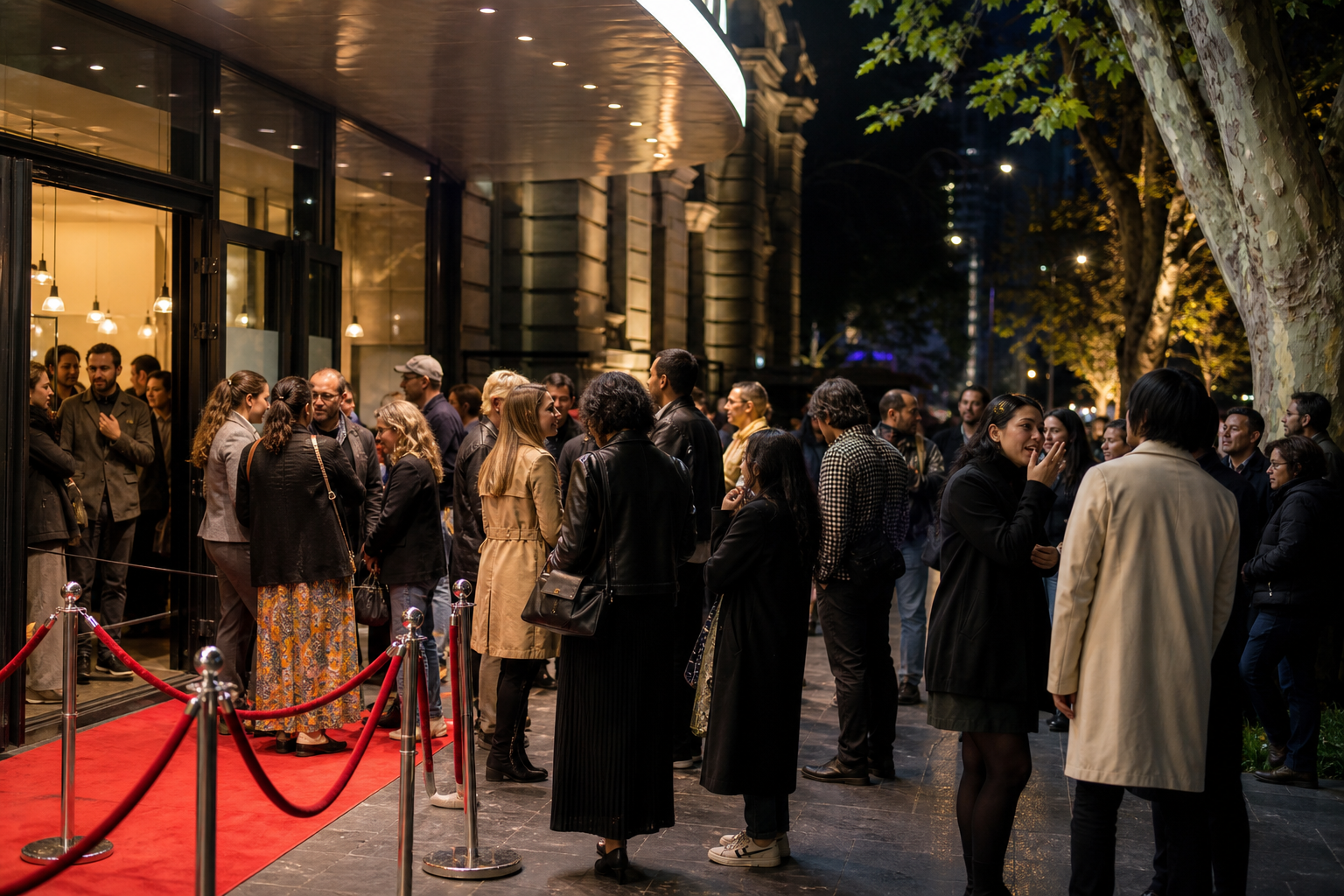
The Melbourne International Film Festival is underway with more than 300 films, documentaries, shorts and immersive works, giving Australian audiences a program built around discovery rather than the prediction systems of streaming platforms.
Variety Australia reports the festival runs August 6-23 across Melbourne and regional Victoria, with an online program available nationally from August 14-30. The lineup combines major international directors with first- and second-time filmmakers.
Festivals organise attention differently
Streaming platforms recommend titles using viewing history, popularity and commercial priorities. A festival asks programmers to make an argument through selection and placement. Audiences may encounter countries, forms and subjects they would never search for independently.
The shared theatre matters too. A screening creates a fixed time, a public audience and often a conversation with filmmakers. Those conditions can make viewers more attentive than they are at home with multiple devices nearby.
Local and global cinema meet
MIFF’s program includes work from Australia alongside films from Europe, Asia, Latin America and elsewhere. That mixture helps local filmmakers see their work within a wider artistic conversation rather than a separate national category.
The Bright Horizons competition, focused on early-career directors, can provide recognition when discovery is hardest. Awards and festival reviews do not guarantee distribution, but they give independent films evidence that audiences and professionals responded.
Online access expands the map
A national online program allows people outside Melbourne to participate and supports viewers who cannot attend venues. Festivals must balance that access against territorial rights and the value of theatrical premieres.
Regional screenings also matter. Cultural investment should not stop at central-city venues. Partnerships with local cinemas can build audiences that remain after the festival ends.
The economic environment for independent film remains difficult, but festivals provide a place where challenging work can be seen on its own terms. MIFF’s scale is impressive; its deeper value lies in turning an overwhelming supply of films into a deliberate invitation to explore.