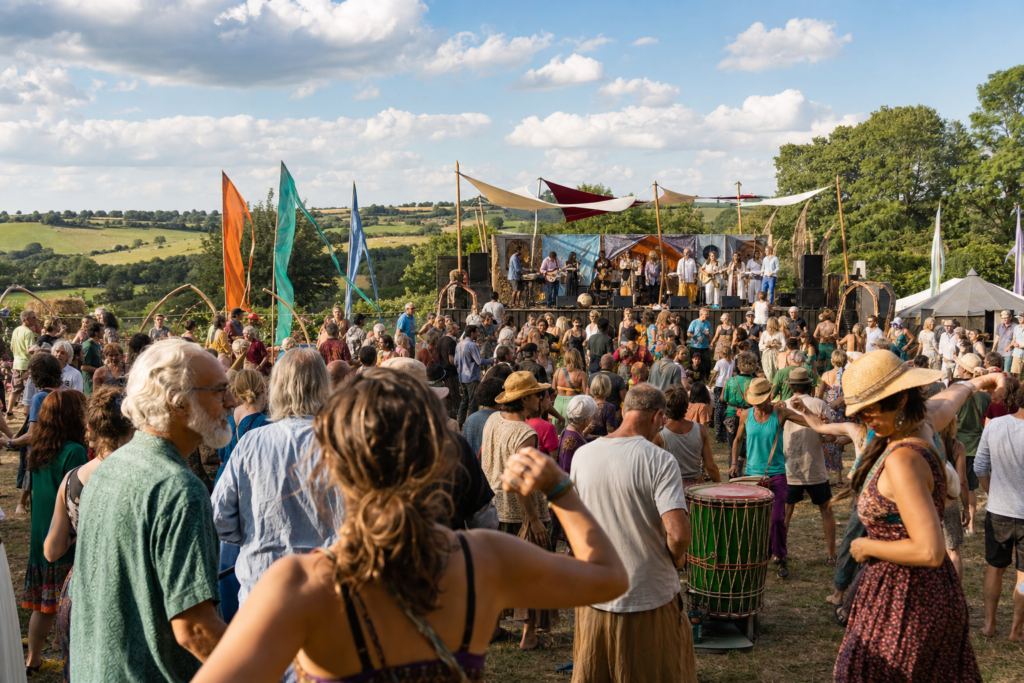
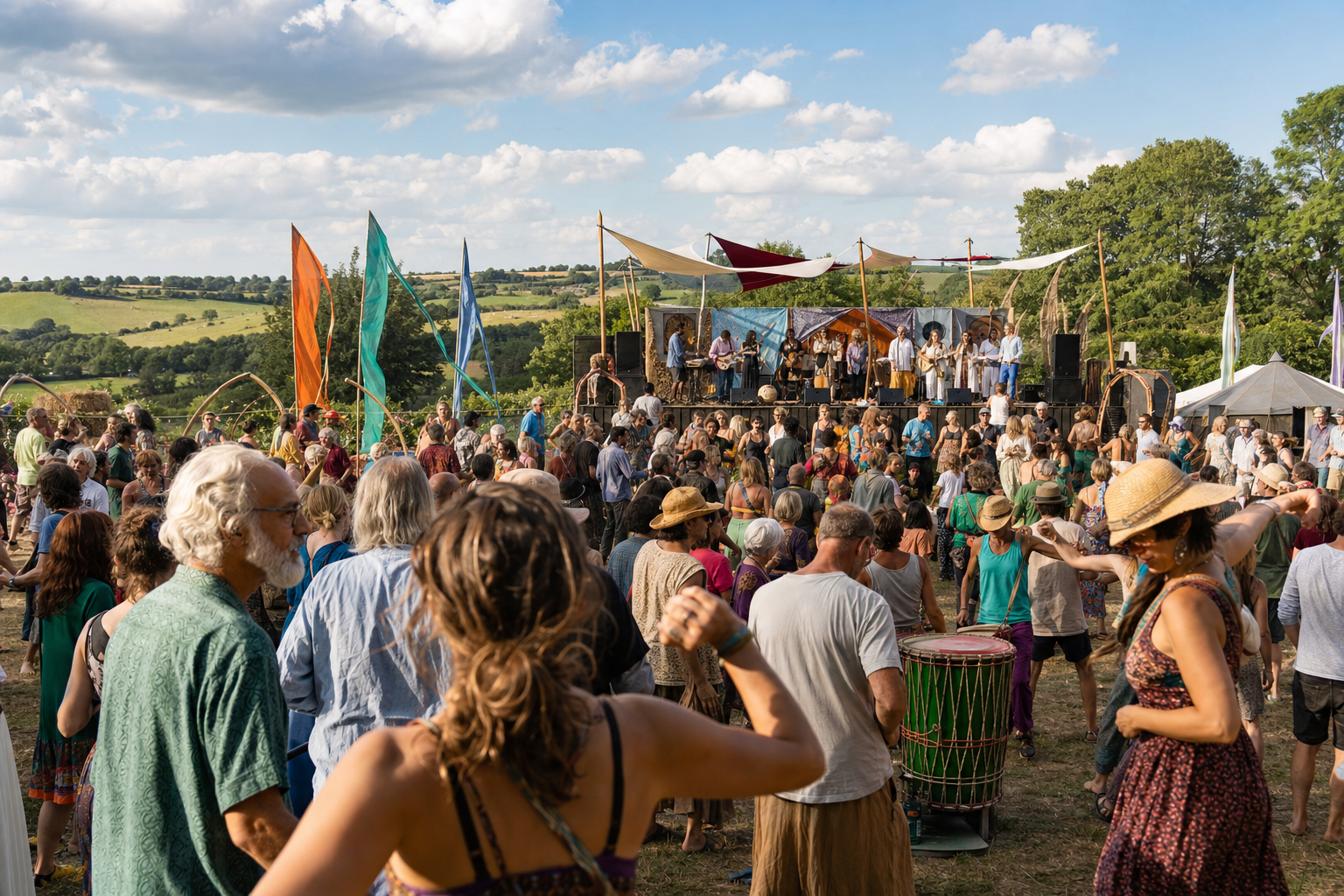
After a year away, WOMAD has returned with a new home and a familiar proposition: put artists and audiences from different musical traditions in the same physical space and let discovery happen without an algorithm deciding what comes next.
The Guardian’s review of the returning festival described a joyful, planet-spanning event with political energy running alongside performances, including sets by reggae veteran Barrington Levy and Brazilian star Daniela Mercury. The response matters beyond one weekend because festivals face rising costs, fragile weather, crowded calendars and intense competition for household spending.
Streaming expanded access, not experience
Digital platforms have made international music easier to find. A listener can move from Afrobeats to Brazilian samba, Jamaican reggae or South Asian classical music within minutes. That access is valuable, but it is not the same as seeing artists share a bill, hearing unfamiliar instruments through a live sound system or joining a crowd that did not arrive with identical tastes.
Festivals create accidental discovery. A person waiting for one performer may encounter another act they would never have searched for. That unpredictability is especially important as recommendation systems become better at serving audiences more of what they already know.
WOMAD’s identity has long rested on the idea that music can travel without being flattened into a generic category. The strongest global festivals present artists as contemporary creators, not as decorative representatives of distant cultures. Context, stage placement and production quality determine whether that promise is fulfilled.
The local economic argument
A successful festival also functions as a temporary local economy. Accommodation, food vendors, transport operators, technicians and independent traders can benefit from the arrival of thousands of visitors. A new venue therefore has to work for residents as well as organizers and ticket holders.
That requires thoughtful transport planning, waste management, fair relationships with local suppliers and communication about noise and access. Festivals lose public trust when they describe themselves as community events while transferring most of the benefit elsewhere.
For artists, the value extends beyond one performance fee. A strong set can lead to future bookings, collaborations and listeners in markets where radio exposure may be limited. Smaller acts can appear beside established names, giving audiences a practical route from curiosity to long-term support.
Culture and politics share the field
Music gatherings have never been completely separate from politics. Artists sing about migration, inequality, identity, conflict and environmental pressure because those subjects shape their lives. Audiences may disagree with particular messages, but a festival devoted to global exchange would feel strangely empty if it avoided the realities its performers bring with them.
The challenge is to preserve a space where conviction does not erase curiosity. Music can carry political urgency while still allowing people to encounter cultures as complex, joyful and internally diverse. That is one reason live events remain valuable during periods of international tension.
WOMAD’s return does not guarantee an easy future for the festival sector. Costs remain high, younger audiences have many competing forms of entertainment and extreme weather can disrupt even careful planning. But the enthusiasm surrounding its comeback suggests that people still value experiences that cannot be paused, skipped or personalized into isolation.
A global festival succeeds when attendees leave with more names in their playlists and a wider sense of who belongs on a major stage. In that respect, the new chapter is not simply a revival. It is a test of whether cultural curiosity can still become a sustainable public event.