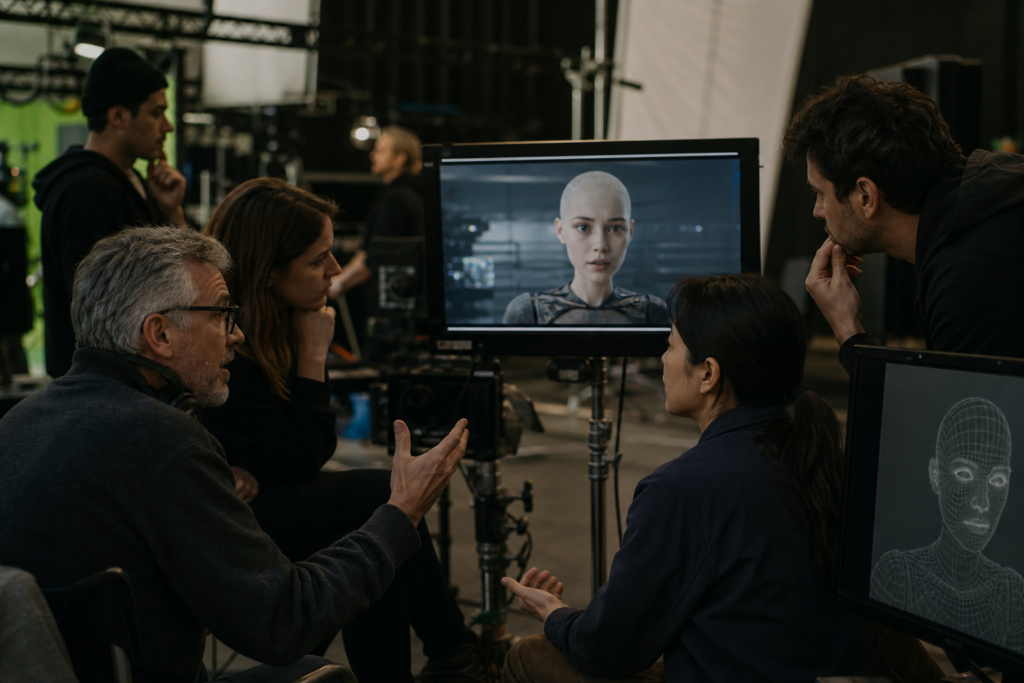
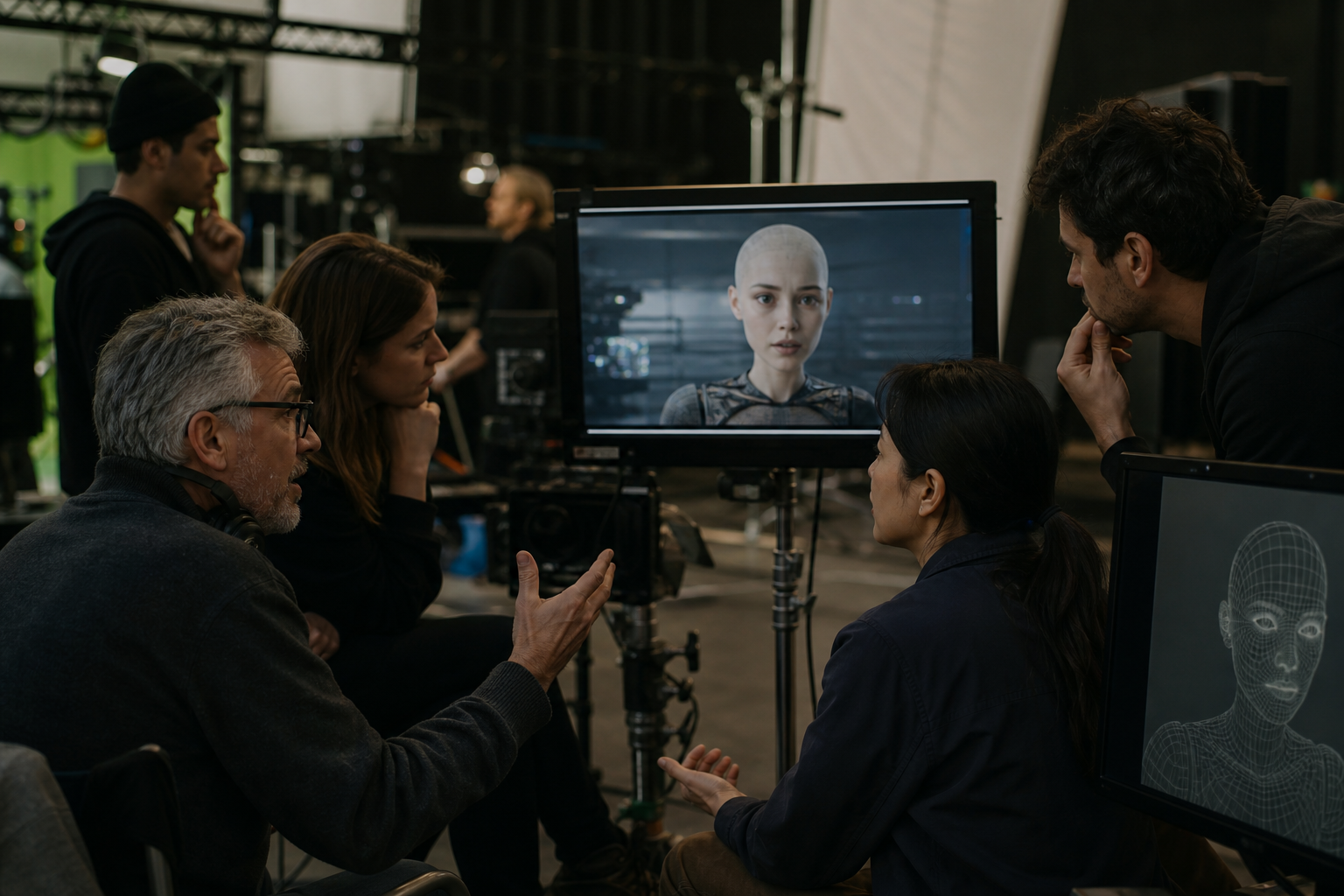
An AI-generated character known as Tilly Norwood is set to lead a feature film, moving a debate that once sounded theoretical directly onto a working production.
Variety reported that the comedy-drama Misaligned will combine a human crew with AI tools and present Norwood as its star. CBS News noted that SAG-AFTRA does not regard the synthetic character as an actor and has emphasized that creativity should remain human-centred.
A digital character is not an employee
The word actor carries assumptions about performance, experience and responsibility. A human actor interprets a script, responds to direction, collaborates with scene partners and makes choices shaped by a life outside the frame. A synthetic character produces an output through models, data and human operators.
That distinction does not make the technology useless. Animation and visual effects have always created characters that do not exist physically. The important question is whether the marketing language hides the people whose work produces the result.
Writers, concept artists, motion performers, voice artists, editors, programmers and directors may all contribute to a digital performance. Clear credits should show that chain rather than treating the character as an autonomous celebrity.
Consent begins with training data
The sharpest concern is whether a synthetic performer reproduces recognizable qualities taken from real people without permission. A face, voice, gesture or style can be valuable intellectual and personal property even when no single copy is exact.
Studios need records showing how models were trained and what licenses govern the material. Performers should be able to understand whether scans, audition footage or recorded sessions may be reused to create later work. Consent for one project should not quietly become permanent permission for every future production.
These protections matter most for working actors without celebrity bargaining power. Famous performers can hire lawyers and negotiate limits. Background artists and emerging talent may feel pressure to accept broad digital-replica clauses simply to get a day’s work.
The audience will decide part of the experiment
Novelty can generate attention, but a feature film must still hold viewers emotionally. Audiences may accept synthetic characters in some genres and reject them in others. The quality of the script, direction and surrounding human performances will matter more than a promotional claim about technological firsts.
Transparency will shape that response. Viewers should know when a central performance is generated and which humans created it. Disclosure does not ruin the illusion; it allows people to judge the work honestly.
A framework before the exception becomes normal
Industry agreements need enforceable rules on consent, compensation, attribution and deletion of digital assets. Productions should also disclose whether an AI system generated final screen material or served as a tool during planning and post-production.
The debate should avoid two easy extremes. AI is neither automatically a replacement for cinema nor merely another camera. It can reduce costs and enable new visual ideas, but it can also concentrate power if studios use synthetic performers to avoid negotiation and residual payments.
Misaligned will be judged as entertainment, yet its production model may be more influential than its plot. If the industry can show that human contributors were protected, licensed and properly credited, the project may establish useful practice. If those questions remain vague, the film will deepen resistance.
The future of screen performance should not be decided by whether software can generate a convincing face. It should be decided by whether the people behind that face retain agency, recognition and a fair share of the value they create.