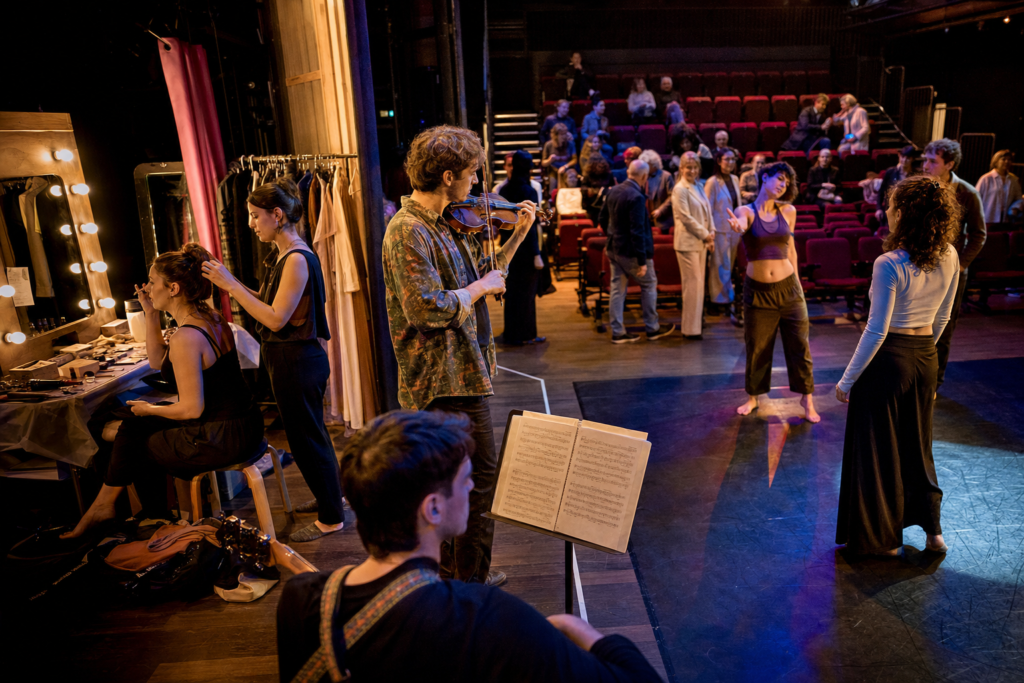
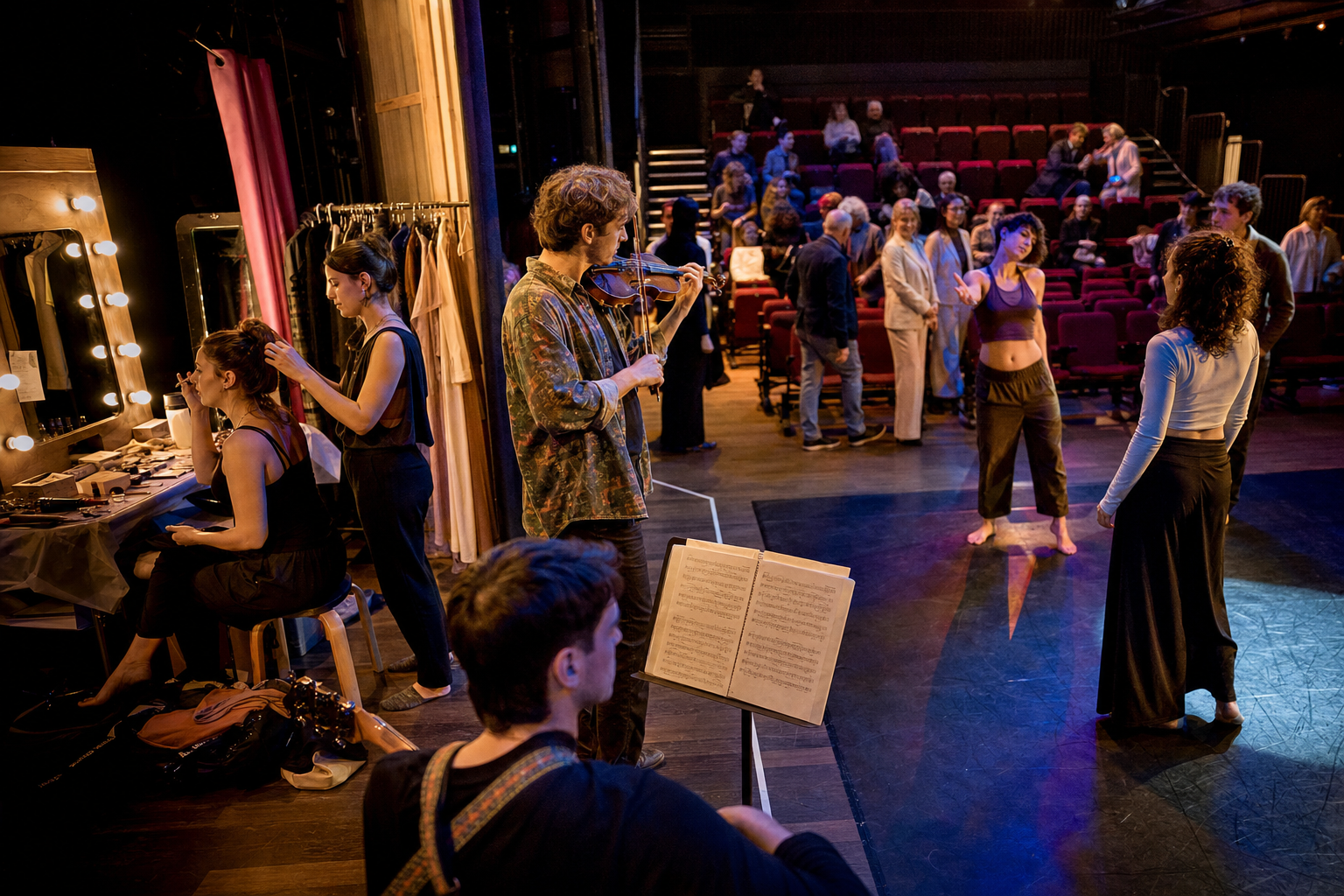
Sydney Fringe is preparing one of Australia’s largest celebrations of independent performance, with more than 350 events, roughly 2,000 artists and 64 venues forming a city-wide program.
Variety Australia reported that the 2026 edition includes theatre, comedy, music, dance, cabaret, visual art and experimental work. The official event period runs from September 2 to October 11, giving audiences more than a month to explore work outside the mainstream commercial circuit.
Scale creates opportunity and competition
A program this large gives artists access to stages and audiences that may otherwise be difficult to reach. It also creates a discovery problem. Hundreds of shows compete for limited attention, and small producers must market their work while rehearsing, managing budgets and handling ticket sales.
Curators, reviewers and word of mouth therefore become important. Audiences need trusted ways to find work that matches their interests without reducing the festival’s diversity to a short list of obvious hits.
The economics remain demanding
Independent artists often carry financial risk personally. Venue hire, equipment, travel, publicity and unpaid preparation can accumulate before the first ticket is sold. A packed performance does not necessarily mean a profitable season if the room is small or costs are high.
Festivals can improve the equation through affordable spaces, shared marketing, transparent fees and practical production support. Government and philanthropic funding also matter because experimentation rarely fits a simple commercial model.
The economic value extends beyond artists. Restaurants, transport providers, hotels and neighbourhood businesses benefit when audiences move across the city. That spillover supports the case for treating arts funding as urban investment rather than charity.
Career development must continue after closing night
This year’s program introduces initiatives including a reviewer lab, an artist development lab and a funded pipeline award. These measures recognise that a festival should create pathways, not only performances.
Constructive criticism helps artists refine their work and gives emerging reviewers experience. Development support can turn a promising short season into a touring production, a larger commission or a sustainable creative business.
The expanded Yalgali program for First Nations artists is equally significant. Visibility should be matched by leadership, appropriate cultural support and control over how work is presented. A festival that welcomes many forms must also understand that access is not identical for every artist.
Why independent work matters
Large entertainment companies tend to favour proven formats because production and marketing costs are high. Fringe spaces allow creators to test unusual ideas, speak to smaller communities and respond quickly to social change.
Some experiments will fail, and that is part of the value. A healthy cultural sector needs places where failure is affordable and learning is visible. Today’s small performance can influence tomorrow’s television series, touring show or major theatre production.
A festival spread across the city
Using 64 venues can bring audiences to neighbourhoods they might otherwise ignore. The challenge is coordination: clear schedules, accessible transport information and consistent audience standards matter when each site has different facilities.
Accessibility should remain central. Captioning, physical access, affordable tickets and reliable content information widen participation. These details can determine whether the festival feels genuinely public.
Sydney Fringe’s headline numbers are impressive, but its deeper success will be measured after the crowds leave. Did artists find new audiences? Did strong work gain another life? Did local venues become more sustainable?
If the answer is yes, the festival will have done more than fill a calendar. It will have strengthened the independent infrastructure that keeps a major city’s culture surprising.